The Last Days of Summer Freedom: How America's Swimming Holes Disappeared Along With Childhood
In 1975, there were over 30,000 public swimming pools in America. Today, fewer than 15,000 remain open. But this isn't just about pools closing — it's about the vanishing of unstructured summer freedom that defined American childhood for generations.
The Geography of Summer Past
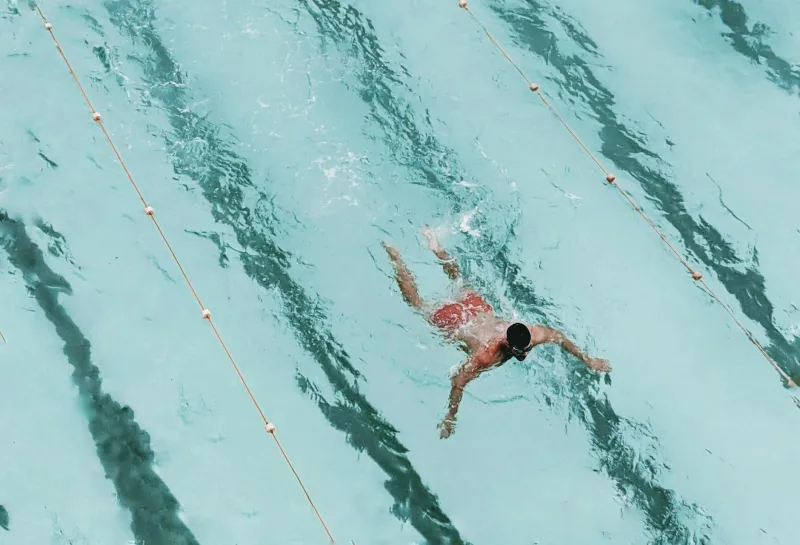
Every American town had its swimming spot. The municipal pool with the high dive and the lifeguard who knew everyone's name. The creek behind the Millers' farm where teenagers gathered after baseball practice. The lake with the rope swing that had been there since their parents were kids. These weren't destinations requiring planning — they were the default setting for summer.
Kids didn't need permission to go swimming. They needed a towel, maybe a quarter for the pool entry fee, and instructions to "be home when the streetlights come on." Parents didn't coordinate carpools or check schedules. Summer swimming was as automatic as breathing.
The social ecosystem around these swimming holes was complex and beautiful. Older kids taught younger ones to dive. Teenagers worked as lifeguards, earning their first paychecks while getting suntans. Adults swam laps in the early morning before work. Families claimed the same picnic tables year after year. The swimming hole was simultaneously playground, workplace, and community center.
The Perfect Storm of Closure
The disappearance of America's swimming holes resulted from multiple forces converging over decades. Municipal budget crises struck first. Pool maintenance, lifeguard salaries, and insurance costs became luxuries cash-strapped cities couldn't afford. Between 1980 and 2010, over 12,000 public pools closed permanently.
Liability concerns accelerated the decline. A single drowning could bankrupt a small town. Insurance premiums skyrocketed. Playground equipment that had been safe for generations suddenly required expensive upgrades to meet new safety standards. Many communities decided that closing was safer than keeping pools open.
Environmental regulations complicated matters further. Old pools contained asbestos. New water quality standards required expensive filtration systems. The simple chlorinated pool of the 1970s couldn't meet 2000s environmental requirements without major investment that small towns couldn't manage.
Private alternatives seemed to solve the problem. Backyard pools became more affordable. Suburban neighborhoods built community pools restricted to residents. Water parks offered more exciting attractions than the old municipal pool. But these solutions served different populations and created different experiences.
The Structured Summer That Replaced Freedom
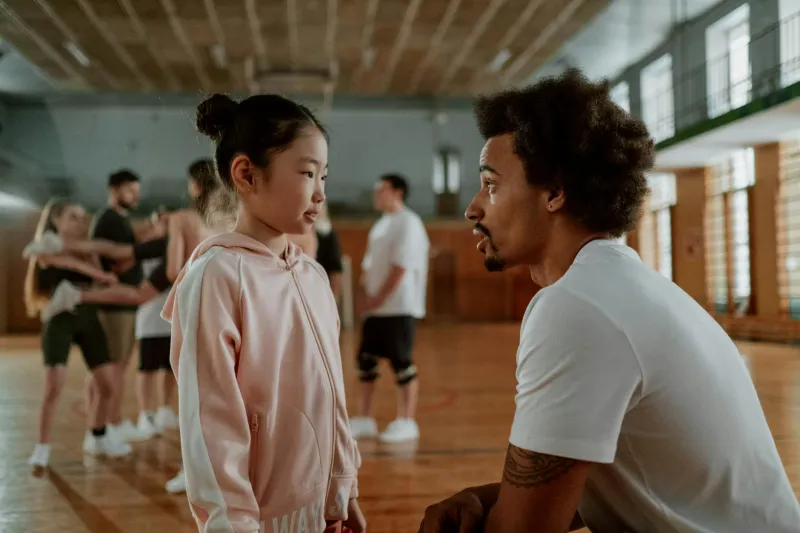
As public swimming holes disappeared, organized programming filled the void. Summer camps expanded from elite experiences to middle-class necessities. Swim teams replaced casual swimming. Pool parties became scheduled events rather than spontaneous gatherings.
The data tells the story of transformation. In 1981, 71% of American children spent significant unstructured time outdoors during summer. By 2018, that number had dropped to 29%. Swimming shifted from a daily activity to a scheduled lesson. The swimming hole became the swimming program.
Modern parents face a different summer reality. With both parents working, unsupervised swimming isn't an option. Liability concerns make casual community swimming seem dangerous. The infrastructure that supported free-range summer childhood — walkable neighborhoods, trusted community spaces, mixed-age social groups — has largely disappeared.
What Technology Couldn't Replace
The rise of home entertainment accelerated the swimming hole's decline. Why bike to the municipal pool when you could play Nintendo in air conditioning? Why organize a swimming expedition when cable TV offered 50 channels of distraction?
But technology couldn't replicate what the swimming hole provided. The physical challenge of the high dive. The social negotiation of sharing space with different age groups. The independence of traveling to a destination without parents. The weather-dependent spontaneity of deciding to swim based on the day's heat.
Video games provided individual entertainment. Swimming holes provided community experiences. The substitution wasn't equivalent — it was a fundamental shift from shared physical experiences to isolated digital ones.
The Economics of Access
The old swimming hole was radically democratic. Rich kids and poor kids swam in the same water. The farmer's daughter and the banker's son learned to dive from the same board. A quarter got you a full day of entertainment, exercise, and social interaction.
Today's swimming options reflect economic stratification. Private pools serve affluent families. Community pools require expensive memberships. Water parks charge $30+ for admission. Swimming lessons cost $100+ per session. What was once universally accessible now depends on family income.
This economic shift had profound social consequences. The swimming hole was where different social classes mixed naturally. Kids learned to navigate economic differences through shared experiences. The disappearance of these common spaces contributed to the social segregation that characterizes modern American childhood.
The Health and Social Costs
The swimming hole's disappearance coincided with rising childhood obesity rates. In 1980, 7% of American children were obese. By 2020, that number reached 19%. While correlation isn't causation, the loss of accessible, appealing physical activity certainly contributed to sedentary lifestyles.
More subtly, we lost crucial social development opportunities. The swimming hole taught kids to assess risk, negotiate with different age groups, and develop independence. These skills transferred to other areas of life. Modern structured activities provide safety but less character development.
The intergenerational knowledge transfer also stopped. Grandparents who taught grandchildren to swim at the family lake. Older teenagers who showed younger kids how to safely jump from rocks. Community elders who shared local swimming hole history. These connections broke when the places disappeared.
Attempts at Revival
Some communities are fighting back. Cities like Austin, Texas, and Portland, Oregon, have invested heavily in public pool renovation. The "natural swimming pool" movement promotes chemical-free community swimming areas. Pop-up swimming events bring temporary water access to urban areas.
But revival efforts face modern realities. Insurance costs remain high. Liability concerns persist. The social infrastructure that supported casual community swimming — walkable neighborhoods, mixed-age social groups, parental comfort with unsupervised activities — is harder to rebuild than physical pools.
The Deeper Loss
The swimming hole's disappearance represents something larger than recreational infrastructure. It symbolizes the end of unstructured, unsupervised, intergenerational community spaces where children could develop independence and social skills through natural interaction.
Modern childhood is safer, more educational, and more supervised. But it's also more isolated, more expensive, and more dependent on adult organization. The swimming hole represented a middle ground — safe enough for parents to allow, exciting enough for kids to choose, accessible enough for everyone to participate.
The Timelapse Truth
America's swimming holes didn't just close — they took with them an entire model of childhood development. The casual community spaces where kids learned independence, assessed risk, and built relationships across age and class lines have largely vanished.
We gained structured programs, professional instruction, and enhanced safety. We lost accessibility, community connection, and the irreplaceable experience of summer freedom. The transformation reflects broader changes in American society — from community-based to family-based child-rearing, from shared public spaces to private alternatives, from independence-building to safety-maximizing approaches to childhood.
The swimming hole was never perfect. But it was democratic, accessible, and developmentally valuable in ways that its modern replacements struggle to match. Understanding what we lost helps explain why summer childhood feels so different today — and why so many adults remember those swimming hole summers as the best days of their lives.