Six O'Clock Sharp: How America's Family Dinner Hour Became a Myth
In 1965, the average American family spent 2.5 hours preparing dinner. By 2019, that number had dropped to 37 minutes. This isn't just about cooking — it's about the complete transformation of how families connect, eat, and spend their evenings together.
The Sacred Hour That Built Families
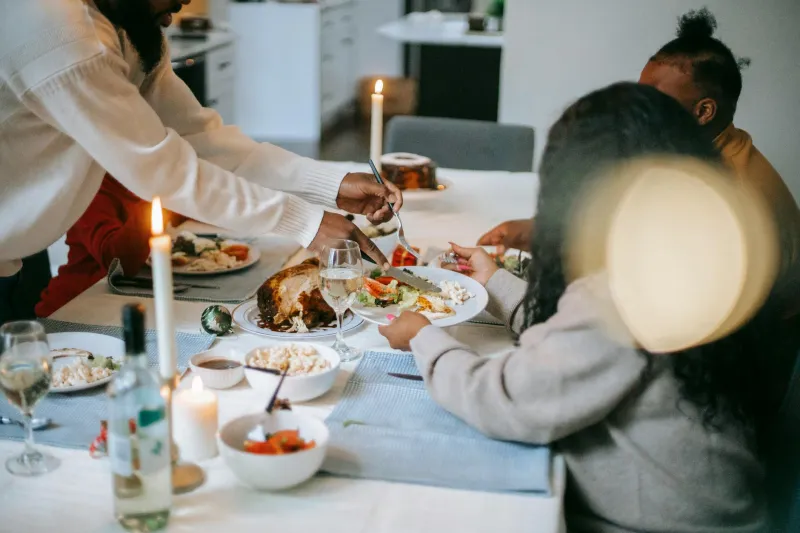
Fifty years ago, dinner wasn't just a meal. It was an appointment that structured the entire day. Dad came home from the office at 5:30. Mom had been cooking since 4:00. Kids finished homework before the call to "wash your hands." By 6:00 PM sharp, six chairs were filled around a table laden with pot roast, mashed potatoes, green beans from a can, and conversation about the day.
The ritual was so universal that television programming scheduled around it. Prime time didn't start until 7:00 PM because networks knew families were eating together. Restaurants marketed "early bird specials" to the handful of people who dared eat out on weeknights.
This wasn't just tradition — it was logistics. With limited food preservation options, meals were planned days ahead. Shopping happened once a week. Leftovers were tomorrow's lunch. The dinner table was command central for family coordination, where parents learned about school events, siblings negotiated weekend plans, and everyone knew what everyone else was doing.
When Everything Changed at Once
The collapse didn't happen overnight. It was death by a thousand scheduling conflicts.
First came dual-income households. Between 1970 and 2000, the percentage of married mothers in the workforce jumped from 40% to 73%. Suddenly, two people had commutes, overtime, and conflicting schedules. The 6:00 PM dinner became a moving target.
Youth sports exploded next. In 1970, most kids played pickup games until streetlights came on. By 2000, organized activities consumed 20+ hours per week. Tuesday was soccer practice. Thursday was piano lessons. Saturday was tournaments two towns over. The dinner table couldn't compete with a travel schedule.
Technology delivered the final blow. Microwaves made individual heating possible. Cable TV created must-see programming at all hours. Cell phones meant work followed parents home. Suddenly, eating together required coordination that eating apart didn't.
The New Reality of American Eating
Today's family dinner looks radically different — if it happens at all. According to recent surveys, only 30% of American families eat together more than three times per week. When they do gather, the experience has transformed completely.
The food itself tells the story. In 1965, 92% of meals were prepared at home from basic ingredients. Today, 60% of dinner calories come from restaurants, meal kits, or heavily processed foods. The average family spends more on dining out ($3,500 annually) than their grandparents spent on groceries for the entire year.
But it's not just about convenience food. It's about timing. Modern families eat in shifts. Dad grabs something at 5:30 between conference calls. Mom and the youngest eat at 6:45. The teenager microwaves leftovers at 8:30 after practice. Everyone's fed, but nobody's together.
Screens have replaced conversation. When families do eat simultaneously, 67% report that at least one person is looking at a phone, tablet, or TV. The dinner table discussion about the day has been replaced by the soft glow of individual entertainment.
What We Lost (And What We Gained)
The numbers paint a stark picture of social change. Children from families who eat together regularly score higher on academic tests, report better mental health, and have lower rates of risky behavior. But those benefits came with costs that modern families couldn't sustain.
The 1960s dinner table required one parent — usually Mom — to spend hours shopping, cooking, and cleaning. It assumed predictable schedules and limited extracurricular commitments. It worked in a world where career advancement meant staying late wasn't an option, and children's activities were confined to school hours and weekends.
Today's scattered eating patterns reflect expanded opportunities. More women pursue careers. More kids access specialized training and education. More families live in communities where both parents commute significant distances. The loss of shared dinner time is the price of individual freedom and economic opportunity.
The Stubborn Desire to Connect
Despite the obstacles, 85% of American parents say they wish their families ate together more often. This creates a thriving industry of solutions: meal kit services that promise "family dinner in 30 minutes," apps that coordinate family schedules, and restaurants that market "family-style" dining.
Some families are finding middle ground. Sunday dinner has become the new weeknight ritual. Breakfast is replacing dinner as the meal where everyone gathers. Others embrace "parallel eating" — everyone eating different food at the same table while sharing the day's events.
The Timelapse Truth
The American family dinner table reveals how dramatically our priorities shifted in just two generations. We traded the predictable rhythm of shared meals for the flexibility of individual schedules. We exchanged home-cooked conversation for the efficiency of grab-and-go eating.
The old way built strong family bonds but required significant sacrifice from one parent. The new way offers unprecedented freedom but struggles to create consistent connection. Neither version is perfect, but understanding what we lost helps explain why so many families feel scattered despite having more options than ever before.
The dinner table didn't just change — it became a mirror reflecting how America itself transformed from a society built around shared routines to one that celebrates individual choice. The question isn't whether we can go back, but whether we can find new ways to gather that fit the lives we've chosen to live.