The Last Renaissance Educator
Coach Williams taught health class at 8 AM, coached JV basketball after school, ran the wrestling program in winter, and somehow found time to organize the annual field day that the entire school anticipated. He knew which kids needed extra encouragement, which ones were dealing with problems at home, and which ones had untapped potential waiting to be discovered.
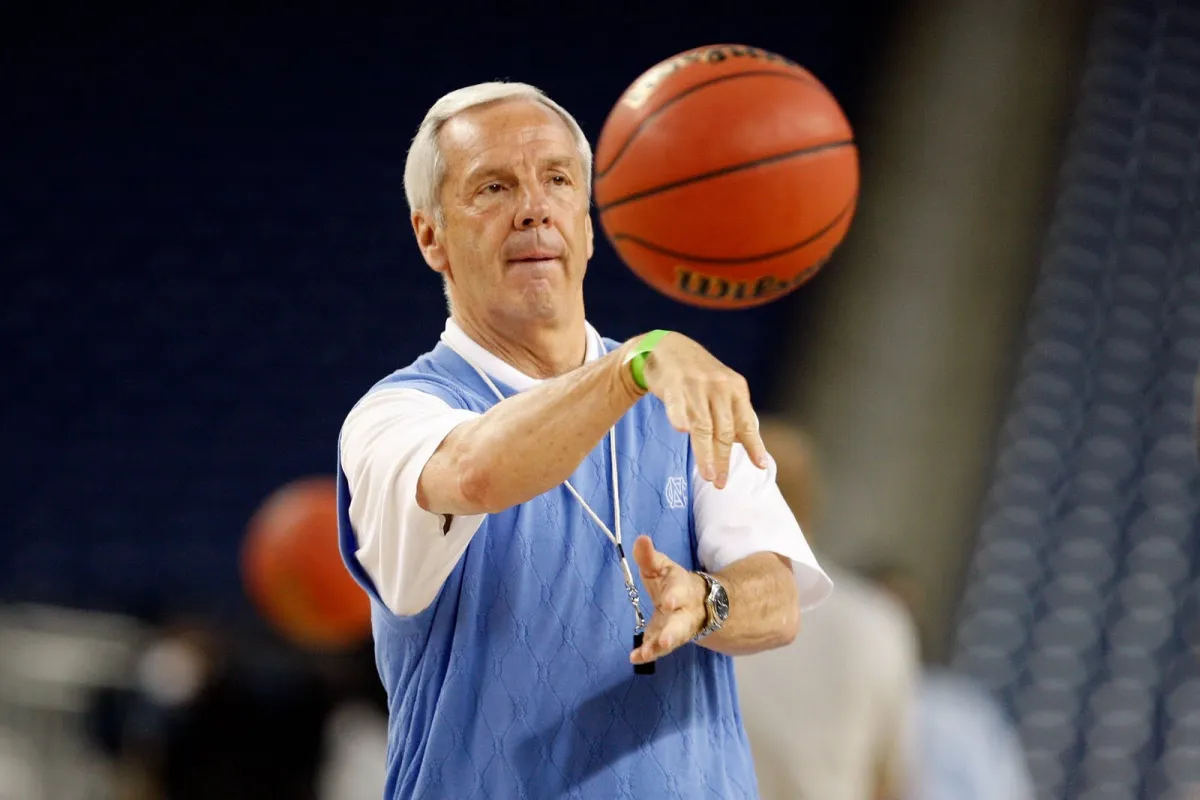 Photo: Coach Williams, via 1.bp.blogspot.com
This wasn't exceptional — it was standard. From the 1950s through the 1980s, American high schools were staffed with physical education teachers who wore multiple hats and wielded influence that extended far beyond the gymnasium. They were often the most connected adults in the building, the ones who saw students in unguarded moments and had the time to notice what others missed.
The Multi-Tool Educator
The traditional gym teacher's role encompassed far more than fitness instruction. They taught driver's education, supervised study halls, chaperoned dances, and coached multiple sports across different seasons. This broad responsibility wasn't a burden — it was a feature that created deep, lasting relationships with students across all four years of high school.
Coach Williams could spot a kid struggling with confidence during dodgeball and follow up with a conversation after class. He noticed when the quiet student in third-period health class suddenly showed athletic ability during the fitness testing unit. Most importantly, he had the institutional authority and personal relationships to do something about it.
The Science of Character Building
Before sports psychology became a specialized field, gym teachers were practicing applied behavioral science every day. They understood that physical challenges revealed character, that team sports taught cooperation, and that individual achievement built self-confidence. Their methods weren't based on research studies — they were based on decades of observing what worked with real teenagers.
The fitness tests weren't just about measuring physical capability; they were about teaching students to push beyond their perceived limitations. The rope climb wasn't torture — it was a metaphor for overcoming obstacles. The mile run taught persistence. These lessons weren't articulated in academic terms, but they were understood by everyone who experienced them.
The Disappearing Act
Today's physical education landscape bears little resemblance to this model. PE has been marginalized by academic pressure, budget cuts, and liability concerns. Many schools have reduced physical education requirements, eliminated coaching stipends, and replaced comprehensive programs with basic fitness instruction.
The modern PE teacher often faces classes of 40+ students, limited equipment, and shortened periods that barely allow time for changing clothes, much less meaningful instruction. The multi-sport coaching model has been replaced by specialized programs that require additional training, certification, and insurance that many schools can't afford.
The Specialization Trap
Where Coach Williams once taught students across multiple sports and activities, today's system demands specialization. Basketball coaches focus solely on basketball, track coaches handle only track and field, and many sports require club team experience before students can even make the high school squad.
This specialization has improved technical instruction in individual sports, but it's eliminated the broad-based mentorship that characterized the traditional model. Students now interact with coaches for single seasons rather than building four-year relationships. The gym teacher who once knew every student's strengths and challenges has been replaced by subject-specific instructors who see students for limited periods.
The Technology Paradox
Modern PE classes often feature sophisticated equipment, fitness tracking technology, and evidence-based curriculum design that would amaze Coach Williams. Heart rate monitors, digital fitness assessments, and specialized training equipment provide more precise measurement of student progress than ever before.
Yet this technological advancement hasn't translated into better outcomes. Childhood obesity rates have increased dramatically since the 1980s, despite more scientific approaches to fitness education. The personal connection that motivated students to stay active has been replaced by data collection that often fails to inspire lasting behavioral change.
What the Numbers Miss
The impact of the traditional gym teacher model can't be captured in standardized assessments or fitness metrics. Coach Williams's influence showed up in graduation rates, college enrollment, and life choices made years after students left his classroom. The shy kid who found confidence through wrestling, the troublemaker who learned discipline through basketball, the academic achiever who discovered leadership through team sports — these transformations happened because one adult took personal interest in their development.
Modern educational metrics focus on measurable outcomes: test scores, graduation rates, and college acceptance percentages. The character development that happened in the gymnasium was harder to quantify but no less important to students' long-term success.
The Community Connection
Coach Williams wasn't just a school employee — he was a community figure. He coached little league on weekends, ran summer camps, and maintained relationships with former students long after they graduated. This continuity created a pipeline of mentorship that extended beyond the school walls.
Today's liability concerns, professional boundaries, and time constraints make such community involvement increasingly rare. The gym teacher who once served as a bridge between school and community has been replaced by professionals who, however dedicated, operate within more limited spheres of influence.
The Irreplaceable Element
No app can replicate the moment when Coach Williams pulled aside a struggling student and convinced them to try out for track. No fitness tracker can measure the confidence built when he taught a clumsy teenager to make a free throw. No curriculum standard can quantify the life lessons learned from a coach who believed in students before they believed in themselves.
The traditional gym teacher model had flaws — inconsistent quality, limited diversity, and sometimes outdated methods. But at its best, it provided something that modern education struggles to replace: sustained, personal mentorship that treated physical and character development as inseparable goals. In our rush to professionalize and optimize education, we may have optimized away the very relationships that made the biggest difference.