The Coach Who Changed Everything With a Stopwatch
Coach Martha Stevens noticed something unusual during a routine fitness test at Lincoln High School in 1973. While timing students in the 400-meter run, she watched a lanky sophomore named David Martinez lap the field with an effortless stride that seemed to defy physics. His time — 52.3 seconds — would have qualified him for most state championships.
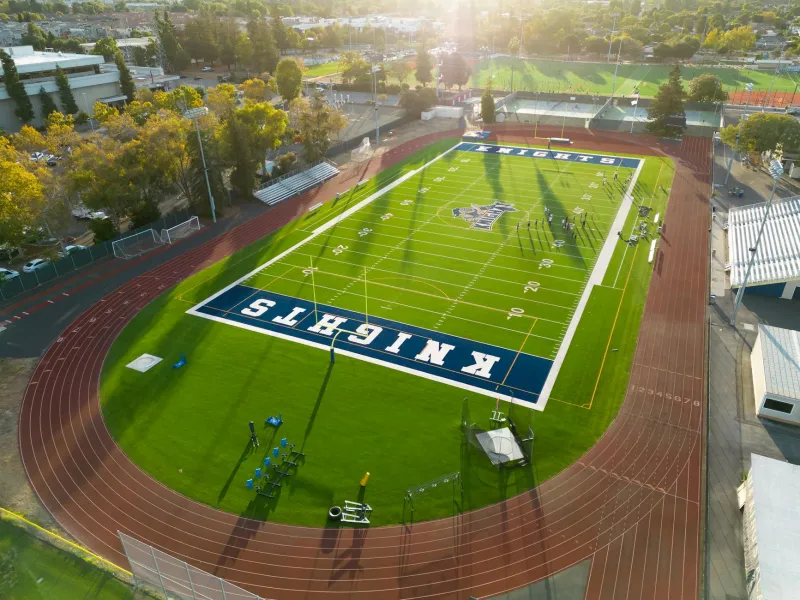
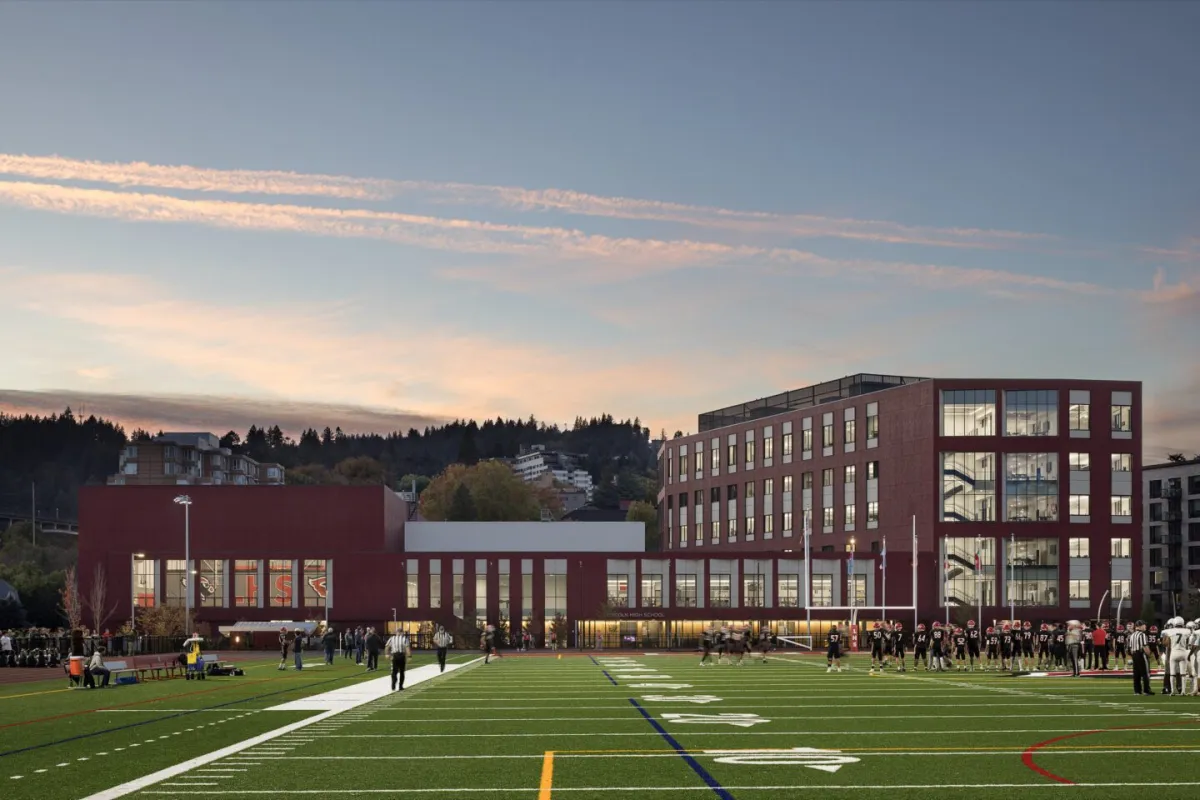 Photo: Lincoln High School, via www.hoffmancorp.com
 Photo: David Martinez, via makerworld.bblmw.com
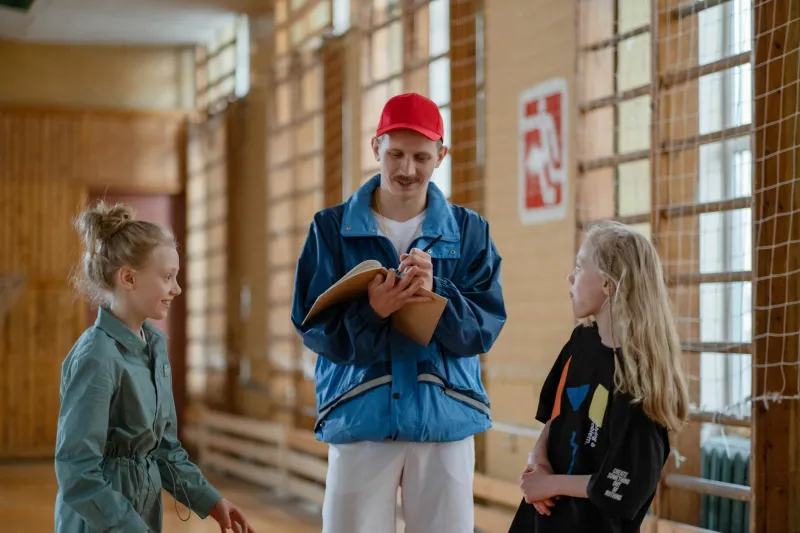
 Photo: Coach Martha Stevens, via d3d00swyhr67nd.cloudfront.net
David had never run competitively. He'd never owned proper track spikes. He'd certainly never worked with a specialized sprint coach or trained at a high-altitude facility. But Coach Stevens saw raw talent that could be developed with nothing more than dedication, proper technique, and access to Lincoln High's modest track facilities.
Two years later, David Martinez ran 47.8 in the 400 meters at the California state championships. By 1976, he was competing in the Olympic Trials.
When Elite Training Happened in Public
The 1970s and 1980s represented the golden age of public school athletic development in America. High school coaches like Martha Stevens served as talent scouts, technique developers, and mentors for athletes who would go on to compete at the highest levels of sport.
These coaches worked with whatever resources they had available. Track teams practiced on cinder tracks with hand-timed workouts. Swimming programs operated out of community pools with lane lines held up by milk jugs. Wrestling teams grappled on mats that doubled as gymnastics equipment during different periods of the school day.
What these programs lacked in resources, they made up for in accessibility and opportunity. Every student had access to coaching, regardless of family income or background. Talent was identified through participation, not through expensive showcase events or private evaluations.
The Science of Simplicity
Public school coaches of this era relied on fundamental principles that modern sports science has largely validated. They emphasized technique development over specialized equipment. They built aerobic capacity through volume rather than high-tech monitoring. They developed strength using basic barbells and bodyweight exercises.
Coach Stevens trained her sprinters using methods that would seem primitive by today's standards. Video analysis meant watching athletes run and providing immediate feedback. Nutrition planning involved making sure kids ate breakfast before morning practice. Recovery protocols consisted of proper warm-ups, cool-downs, and adequate sleep.
Yet athletes developed under these conditions regularly competed with — and often defeated — competitors who had access to far more sophisticated training environments. The 1984 U.S. Olympic track and field team included numerous athletes who had emerged from public high school programs using basic training methods and minimal equipment.
The Privatization of Potential
The transformation began gradually in the 1990s as specialized training facilities and club programs emerged to serve families willing to invest heavily in their children's athletic development. What started as supplemental training quickly evolved into a parallel system that eventually overshadowed public school athletics.
Today's elite youth athletes train year-round at facilities that cost families thousands of dollars annually. Swimming programs require pool time fees, coaching fees, travel expenses, and equipment costs that can exceed $15,000 per year. Track and field athletes work with specialized coaches for sprints, hurdles, throws, and jumps — each requiring separate fees and training locations.
The most promising athletes are identified not through public school participation but through expensive showcase events and private evaluations that effectively screen out families who can't afford premium access.
The Technology Gap
Modern elite training incorporates technology that was unimaginable during Coach Stevens' era. Athletes train with GPS monitoring, heart rate variability analysis, biomechanical video systems, and altitude simulation chambers. Nutrition is personalized based on genetic testing and metabolic analysis. Recovery protocols include cryotherapy, compression therapy, and sleep optimization technology.
This technological advancement has undoubtedly improved training effectiveness and injury prevention. But it has also created a resource gap that makes it nearly impossible for public school programs to compete in developing elite-level talent.
The high school coach working with basic equipment and volunteer hours simply cannot provide the same level of specialized attention and technological support that private academies offer their athletes.
The Demographic Shift
Perhaps the most significant change is who gets the opportunity to develop elite athletic potential. The public school system that produced David Martinez was inherently democratic — every student had access to coaching and facilities regardless of family income.
Today's elite development system is effectively stratified by economic class. Families with disposable income can provide their children with year-round coaching, specialized training, and competitive opportunities that simply aren't available through public schools.
This shift has profound implications for American athletic competitiveness. The working-class athletes who once formed the backbone of U.S. Olympic teams are increasingly priced out of elite development pathways.
The Hidden Cost of Specialization
The move toward private, specialized training has also changed the nature of athletic development itself. Public school coaches like Martha Stevens worked with athletes across multiple sports and emphasized well-rounded physical development.
Modern elite programs focus intensively on single sports and specific skills, often beginning in elementary school. While this specialization can accelerate development in targeted areas, it may also limit the broad physical literacy and adaptability that characterized earlier generations of athletes.
Research suggests that early sport specialization increases injury risk and may actually limit long-term athletic potential compared to more diverse athletic experiences during childhood and adolescence.
What Public Schools Still Offer
Despite resource limitations, public school athletic programs continue to serve important functions that private academies cannot replicate. They provide broad access to coaching and competition. They emphasize education alongside athletic development. They maintain connections to local communities and school pride.
Some public school programs have found ways to bridge the gap by partnering with local clubs or incorporating technology donated by community supporters. But these solutions are inconsistent and often depend on individual initiative rather than systematic support.
The Champion We'll Never Know
The most troubling aspect of this transformation is what we can't measure: the athletic potential that goes undiscovered because talented kids no longer have access to quality coaching and development opportunities.
Somewhere in America today, there's probably another David Martinez sitting in a high school gym class, possessing natural ability that could be developed into world-class performance. But without a Coach Stevens to notice that talent and provide accessible pathways for development, that potential may never be realized.
The question isn't whether private training academies produce better athletes — they often do. The question is whether American athletics can maintain its competitive edge while systematically excluding entire economic classes from elite development opportunities.
Coach Stevens retired in 2003, having developed dozens of state champions and several college scholarship recipients using methods and resources that would be considered inadequate by today's standards. Her legacy isn't just the athletes she coached — it's the reminder that talent identification and development once happened in public, accessible environments where economic barriers didn't determine athletic opportunity.
Whether America can find ways to preserve that accessibility while embracing modern training advances may determine not just who gets to compete at the highest levels, but how deep the talent pool remains for future generations of champions.