The Dashboard That Demanded Your Attention
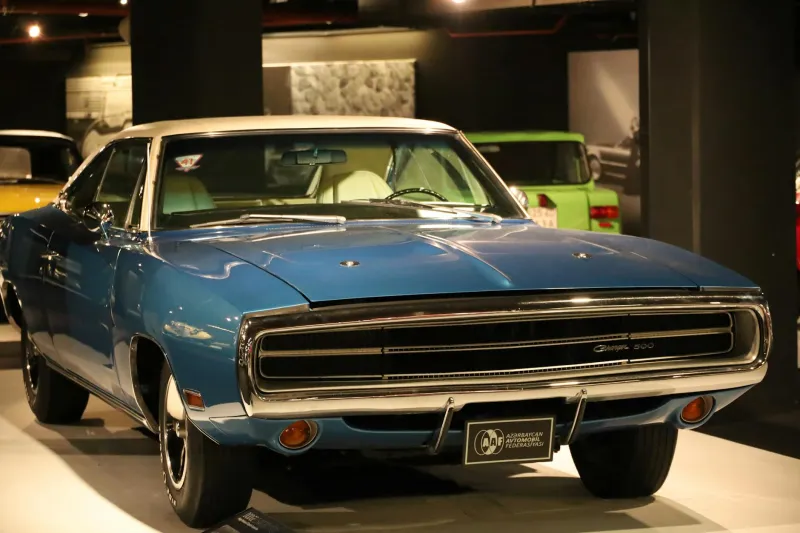
In 1973, the Johnson family loaded their wood-paneled station wagon for a cross-country drive from Ohio to California. Their navigation system consisted of a AAA TripTik, a road atlas with coffee stains, and Dad's confident assertion that he "knew a shortcut." The entertainment center was an AM radio that faded in and out with the geography, forcing everyone to actually talk to each other between static bursts of distant stations.
That car demanded participation. Someone had to navigate, someone had to watch for landmarks, and everyone had to pay attention because missing a turn could mean an hour of backtracking on unfamiliar roads. The journey itself was an active, shared experience that required the whole family to stay engaged with the world rushing past their windows.
When Getting Lost Was Part of Getting There
The pre-GPS road trip was fundamentally different from today's version. Without satellite guidance, families routinely took wrong turns, discovered unexpected small towns, and stumbled upon roadside attractions that weren't in any guidebook. These detours weren't frustrating inconveniences — they were often the most memorable parts of the entire trip.
Consider the ritual of stopping for directions. Gas station attendants became temporary travel consultants, offering local knowledge about construction delays, scenic routes, and the best diners within fifty miles. These interactions created brief but genuine connections between travelers and locals, adding human texture to what was already an adventure.
The uncertainty was the point. Families planned destinations, not experiences, trusting that the journey would provide its own surprises. This approach required flexibility, patience, and a willingness to embrace the unexpected — qualities that modern navigation systems have largely eliminated from the American road trip.
The Connected Car Revolution
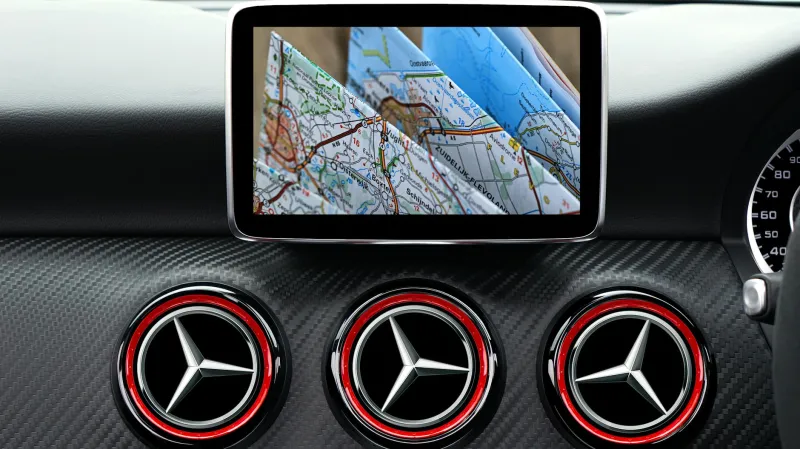
Today's family vehicles are rolling entertainment and information centers that would have seemed like science fiction to the Johnson family. Touchscreen displays provide real-time traffic updates, satellite radio offers hundreds of channels, and streaming services deliver personalized playlists that never fade or crackle.
The navigation capabilities are genuinely remarkable. Modern GPS systems calculate optimal routes in real-time, accounting for traffic patterns, weather conditions, and even gas prices. They provide turn-by-turn directions with lane guidance, arrival time estimates accurate to the minute, and automatic rerouting when conditions change.
Kids in the back seat have individual entertainment systems, tablets loaded with movies, and Wi-Fi connections that keep them plugged into their normal digital routines. The car has become a mobile extension of home, complete with climate control systems that maintain perfect temperature zones for different passengers.
Efficiency Versus Experience
This technological evolution has undoubtedly improved the practical aspects of long-distance travel. Modern families reach their destinations faster, with less stress, and with significantly reduced risk of getting genuinely lost. The convenience is undeniable — especially for parents managing complex logistics with multiple children.
The safety improvements are substantial. GPS systems help drivers avoid dangerous areas, provide accurate information about road conditions, and ensure that help can be summoned quickly in emergencies. The ability to share real-time location information with family members provides peace of mind that previous generations couldn't imagine.
Fuel efficiency has also improved dramatically. Modern route optimization can reduce travel times by 15-20% compared to traditional map-based navigation, translating into meaningful savings on gas and lodging costs for families taking extended trips.
What Disappeared in the Translation
Yet something essential has been lost in this transition to hyper-efficient travel. The shared attention that once characterized family road trips has been fragmented into individual entertainment experiences. Instead of watching the landscape together and discussing what they see, family members often retreat into personal digital bubbles.
The element of discovery has been systematically eliminated. When every restaurant, attraction, and point of interest is pre-researched and GPS-located, the possibility of genuine surprise diminishes. Families now travel through a curated version of America rather than encountering it organically.
The tolerance for uncertainty has atrophied. Modern travelers expect precision and predictability that would have been impossible in earlier eras. When GPS systems fail or provide inaccurate information, the frustration is disproportionate because we've lost the skills and mindset necessary to navigate without technological assistance.
The Lost Art of Paying Attention
Perhaps most significantly, the modern car has reduced the need for passengers to engage with their surroundings. Navigation, entertainment, and communication are all handled by integrated systems, freeing family members from the collaborative effort that once defined long-distance travel.
The result is a fundamental change in how Americans experience their own geography. Previous generations developed intuitive understanding of regional differences — the way accents changed, how architecture evolved, and how landscape reflected local culture. This knowledge was acquired naturally through the simple act of paying attention during long drives.
Today's travelers often arrive at their destinations with little memory of what they passed along the way. The journey has become a time to be endured rather than experienced, a gap between departure and arrival rather than an integral part of the adventure.
The Paradox of Perfect Navigation
Modern GPS technology has created an interesting paradox. While it has made travel more efficient and accessible, it has also made it more predictable and less memorable. The very features designed to improve the travel experience may have inadvertently diminished what made travel special in the first place.
The algorithms that optimize our routes prioritize efficiency over interest, directing us toward major highways rather than scenic backroads. They eliminate the random encounters and unexpected discoveries that once defined the American road trip, replacing serendipity with systematic optimization.
Rediscovering the Road Less Traveled
Some families are beginning to recognize what's been lost and are intentionally incorporating elements of old-school travel into modern trips. They designate phone-free hours, choose scenic routes over efficient ones, and make unplanned stops at roadside attractions.
These efforts represent an attempt to reclaim the active, engaged travel experience that previous generations took for granted. They suggest that the most advanced navigation technology might not always provide the best journey — sometimes getting a little lost is exactly where you need to be.
The American road trip survives, but it has been fundamentally transformed. Whether that transformation represents progress depends on what we value most: arriving quickly and efficiently, or discovering something unexpected along the way. The technology exists to support either choice, but only one of them requires us to look up from our screens and pay attention to the world outside our windows.