In 1975, Mike and Susan Rodriguez made going to the movies their weekly ritual. Every Saturday night, they'd drive to the Westfield Twin Cinema, buy two tickets for $1.50 each, share a large popcorn for 75 cents, and catch the 7:30 showing. Total cost: $3.75 for an evening of entertainment—about what Mike earned in 45 minutes at his factory job.
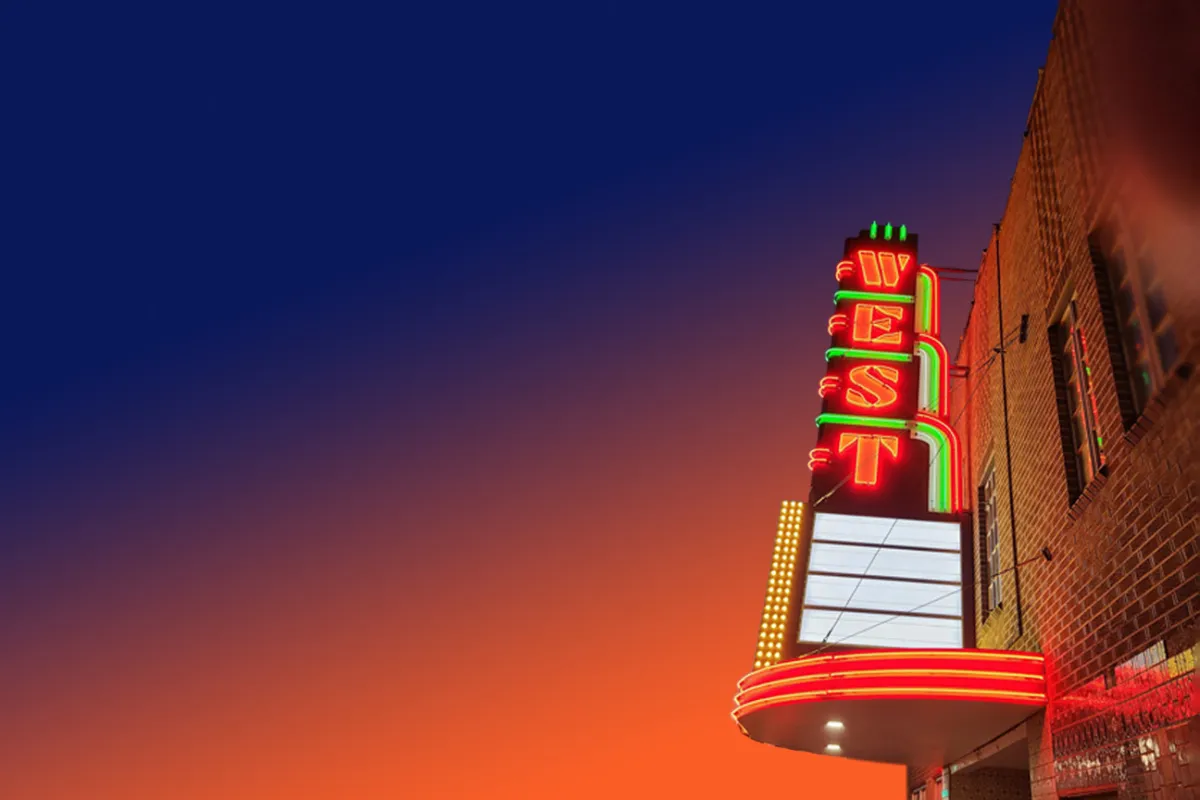 Photo: Westfield Twin Cinema, via static.wixstatic.com
Today, their grandchildren treat moviegoing like a special occasion. Two tickets at their local multiplex cost $28. Add popcorn, drinks, and candy, and a simple movie date approaches $50—representing nearly four hours of work at median wage. What was once an impulse decision has become a budgeted event.
This transformation reflects one of the most dramatic economic shifts in American entertainment. The movies went from being the people's pastime to a premium experience, fundamentally altering how families spend their leisure time and money.
When Movies Were Cheaper Than Dinner
Adjusted for inflation, that 1975 movie ticket would cost about $8.50 today. Instead, the average American ticket price has reached $10.17, with premium formats pushing costs even higher. In major metropolitan areas, standard tickets routinely exceed $15, while IMAX and luxury theater experiences can cost $25 or more.
The concession markup has grown even more extreme. A large popcorn that cost 75 cents in 1975 (about $4.25 today) now sells for $8-12 at most theaters. Soft drinks have followed similar trajectories, turning what used to be affordable treats into budget-busting add-ons.
"We used to go to the movies like we'd go out for ice cream," recalls Patricia Wong, who worked as a secretary in downtown Portland during the 1970s. "It wasn't a big decision. If we were bored on a weeknight, we'd check the showtimes and just go."
The Economics of Escape
The shift reflects broader changes in the entertainment industry's business model. In the 1970s, theaters made money primarily through ticket sales, with concessions providing modest additional revenue. Studios and exhibitors shared a relatively simple economic arrangement focused on getting people into seats.
Today's theater chains operate more like restaurants with movie screens attached. Concession sales often provide 85% of a theater's profit, while ticket revenue barely covers operating costs. This has created an incentive structure that prioritizes high-margin food sales over affordable admission.
Meanwhile, studio economics have shifted toward blockbuster production models. The average movie budget has increased far beyond inflation rates, driving up the minimum revenue requirements for profitability. These costs get passed down to consumers through higher ticket prices and premium viewing experiences.
When Saturday Night Meant the Movies
The affordable movie ticket created a particular rhythm of American social life. Teenagers could afford regular dates without significant financial stress. Families made moviegoing a routine activity rather than a special treat. The cinema served as a community gathering place where different economic classes mixed regularly.
"Every weekend, you'd see the same faces at the theater," remembers Robert Chen, who managed a suburban Detroit cinema from 1973 to 1981. "We had regulars who came every Friday and Saturday. The movies were part of people's weekly routine, like grocery shopping or church."
This regular attendance supported a more diverse range of films. Studios could profit from smaller, character-driven movies because consistent audiences would give them a chance. The economics supported mid-budget productions that today struggle to find theatrical distribution.
The Rise of the Event Movie
As ticket prices climbed, moviegoing behavior changed dramatically. Families began choosing films more carefully, gravitating toward "event" movies that justified the expense. This shifted audience demand toward big-budget spectacles with impressive visual effects that couldn't be replicated at home.
The result has been a self-reinforcing cycle: higher prices drive demand for bigger movies, which cost more to produce, which require higher prices to recoup costs. Independent films, romantic comedies, and adult dramas have largely migrated to streaming platforms where the economics work better.
"People want to feel like they got their money's worth," explains Sarah Kim, who studies entertainment economics at UCLA. "When a movie costs $50 for a family, it better deliver an experience they can't get at home. That's pushed the industry toward spectacle and away from intimate storytelling."
The Streaming Alternative
The rise of home streaming services has both responded to and accelerated the decline of casual moviegoing. Netflix, launched as a DVD service in 1997, now offers thousands of titles for less than the cost of a single movie ticket. Other services have followed, creating an entertainment ecosystem where staying home often provides better value.
This has created a feedback loop that further damages theater economics. As casual viewers stay home, theaters become more dependent on blockbuster releases and premium experiences to generate revenue. The audience that once supported diverse programming has largely migrated to home viewing.
"Why spend $50 to see a romantic comedy in a theater when I can watch ten of them at home for $15 a month?" asks Jennifer Walsh, a mother of two in suburban Denver. "We save the theater for movies that really benefit from the big screen experience."
What We Lost in Translation
The transformation of moviegoing from routine to special occasion has had cultural consequences beyond simple economics. The shared experience of watching films with strangers—laughing, gasping, and reacting together—has become increasingly rare. The community aspect of cinema, where neighbors might bump into each other at the local theater, has largely disappeared.
Teenagers, who once used affordable movie tickets as a gateway to independence and dating, now face significant financial barriers to this traditional rite of passage. The casual movie date, a cornerstone of American courtship for decades, has become a carefully budgeted event.
"Movies used to be how you got to know someone," reflects David Park, who was dating in Chicago during the 1970s. "You could afford to take a chance on a film, or on a person. Now it's such an investment that everything has to be planned and researched first."
The Premium Experience Trade-off
Modern theaters have responded to economic pressures by improving the viewing experience. Today's multiplexes offer digital projection, surround sound, comfortable seating, and diverse concession options that far exceed what 1970s moviegoers experienced. Some theaters provide full restaurant service, alcohol, and luxury amenities.
But these improvements come at a cost that has fundamentally changed who can afford regular moviegoing. What was once a democratic entertainment medium—accessible to teenagers with part-time jobs and families on modest budgets—has become more exclusive.
"The experience is definitely better now," admits longtime movie fan Robert Martinez. "But I miss being able to just decide on a whim to catch a show. Now it requires planning, budgeting, and often advance ticket purchases. The spontaneity is gone."
Looking Forward
Some theater chains are experimenting with subscription models and discount programs that attempt to recreate the economics of casual moviegoing. Others focus on premium experiences that justify higher prices through luxury amenities. But the fundamental challenge remains: how to make cinema affordable enough for regular attendance while covering the costs of modern exhibition and distribution.
The $3 movie date didn't just provide entertainment—it created a cultural institution that shaped how Americans socialized, courted, and spent their leisure time. As that institution adapts to new economic realities, we're still discovering what we've gained and what we've quietly left behind in the transition.