When America's Greatest Adventure Cost $50 and a Full Tank — The Vanishing Economics of the Open Road
The Summer of '78: When Adventure Had No Price Tag
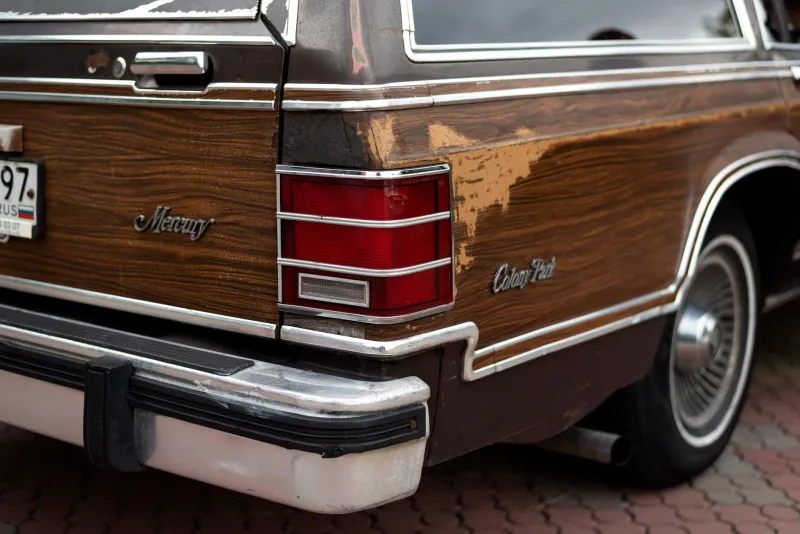
Picture this: It's July 1978, and your dad announces on Friday night that the family is hitting the road for Yellowstone. By Saturday morning, you're loaded into the wood-paneled station wagon with a cooler full of bologna sandwiches, a thermos of coffee, and exactly zero reservations. The gas gauge reads full after a $12 fill-up, and the open road stretches ahead like an invitation to pure freedom.
That spontaneous family adventure — the cornerstone of American childhood for generations — has quietly transformed into something unrecognizable. What once embodied the democratic spirit of travel, accessible to any family with a running car and a sense of adventure, now requires the advance planning and budget allocation typically reserved for international vacations.
The Real Numbers: When Freedom Had a Price
In 1978, filling up the family truckster cost about $12 for a 20-gallon tank. Adjusted for inflation, that's roughly $55 today. The reality? That same fill-up now runs closer to $80, representing a real increase of nearly 50% beyond what inflation alone would predict.
But fuel was just the beginning of the equation. A decent roadside motel in 1978 averaged $18 per night — about $83 in today's money. Try finding a clean, family-friendly room along any major interstate for under $120 today, and you'll quickly realize how the math has shifted against the modern road warrior.
The family restaurant meal that once cost $15 for four people ($70 today) has been replaced by highway rest stops where a basic family meal easily tops $60 — and that's before anyone orders dessert or asks for anything beyond the most basic fare.
The Infrastructure That Built Dreams
America's golden age of road trips wasn't just about cheaper gas. The entire ecosystem supported spontaneous travel in ways that seem almost quaint today. Motor lodges dotted every major route, their neon signs promising clean rooms and reasonable rates without the need for advance booking. These weren't luxury accommodations, but they were reliable, family-owned operations that understood their role in America's mobile culture.
Roadside attractions thrived on impulse visits. The World's Largest Ball of Twine, mysterious caverns, and quirky museums counted on families making split-second decisions to pull over and explore. These businesses operated on thin margins but high volume, sustained by the steady stream of American families treating the journey as importantly as the destination.
The App-ification of Adventure
Today's road trip begins months before anyone touches a steering wheel. Hotel booking apps demand reservations well in advance, especially during peak travel seasons. The spontaneous "let's see where the road takes us" mentality crashes into the reality of sold-out accommodations and surge pricing that would make an Uber driver blush.
Gas station apps now track fuel prices in real-time, turning what was once a simple transaction into a strategic decision. Restaurant chains have replaced local diners, offering predictable but expensive meals that lack the character and value of their predecessors. Even rest stops have been corporatized, transforming from simple service areas into mini-malls with premium pricing.
The Hidden Costs of Modern Mobility
Beyond the obvious expenses, today's road trip carries costs that previous generations never considered. Cell phone data plans, GPS navigation subscriptions, and the expectation of constant connectivity add layers of expense that didn't exist when a paper map and a sense of direction were sufficient.
Insurance costs have skyrocketed, making the family car a significant financial responsibility rather than simply a means of transportation. Vehicle maintenance, while more reliable than ever, has become increasingly specialized and expensive, turning a simple tune-up into a budget consideration.
What We've Gained and Lost
Modern road trips offer undeniable advantages. Cars are safer, more comfortable, and more reliable. Information about destinations is readily available, and emergency assistance is never more than a phone call away. The infrastructure, while more expensive, generally offers higher standards of cleanliness and safety.
Yet something essential has been traded away. The democratic nature of road trip travel — the idea that any American family could afford to explore their country — has been significantly compromised. What was once an accessible adventure has become a luxury requiring careful financial planning and advance preparation.
The New Economics of Wonder
Today's family planning a week-long road trip faces a budget that often exceeds $2,000, not including the wear and tear on their vehicle. That same trip in 1978 might have cost $200 in actual dollars — roughly $925 in today's money. The real increase represents more than just inflation; it reflects a fundamental shift in how America approaches travel and leisure.
The spontaneous weekend getaway has been replaced by carefully researched expeditions. The roadside motel has given way to chain hotels that offer consistency at premium prices. The local diner serving hearty meals at reasonable prices has been largely displaced by franchise operations optimized for profit rather than hospitality.
The Road Ahead
The American road trip isn't dead, but it has certainly evolved into something our grandparents wouldn't recognize. Where once the open road represented freedom and possibility accessible to all, it now requires the same careful planning and financial resources as any major vacation.
Perhaps most telling is how this shift reflects broader changes in American life — the corporatization of experiences that were once locally owned, the replacement of spontaneity with optimization, and the gradual transformation of simple pleasures into complex financial decisions. The road is still there, stretching toward the horizon with the same promise of adventure. The question is whether the average American family can still afford to answer its call.