When Basketball Dreams Were Made on Broken Concrete — The Courts That Built Champions Before Contracts
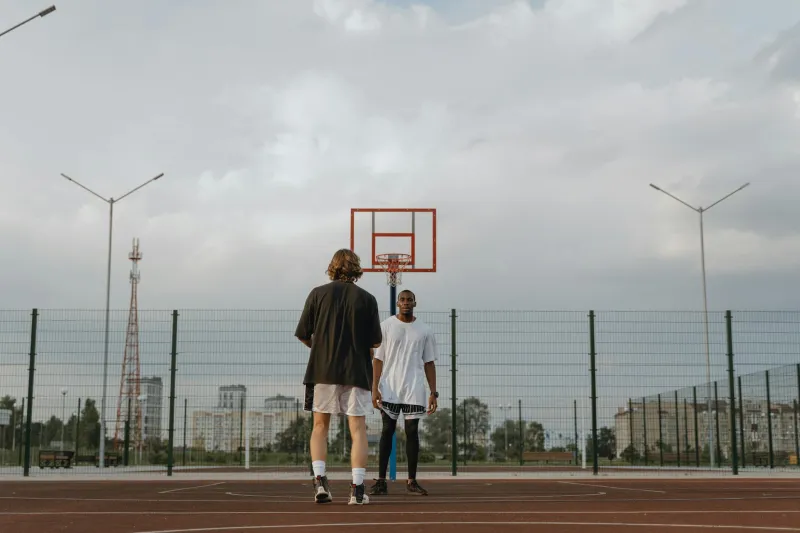
In 1982, a skinny kid from North Carolina walked onto a pickup court in Wilmington and got schooled by older players who didn't care about his high school stats. That kid was Michael Jordan, and those anonymous games on weathered concrete taught him lessons no organized practice ever could. The pickup court was America's basketball laboratory — unforgiving, unstructured, and absolutely essential.
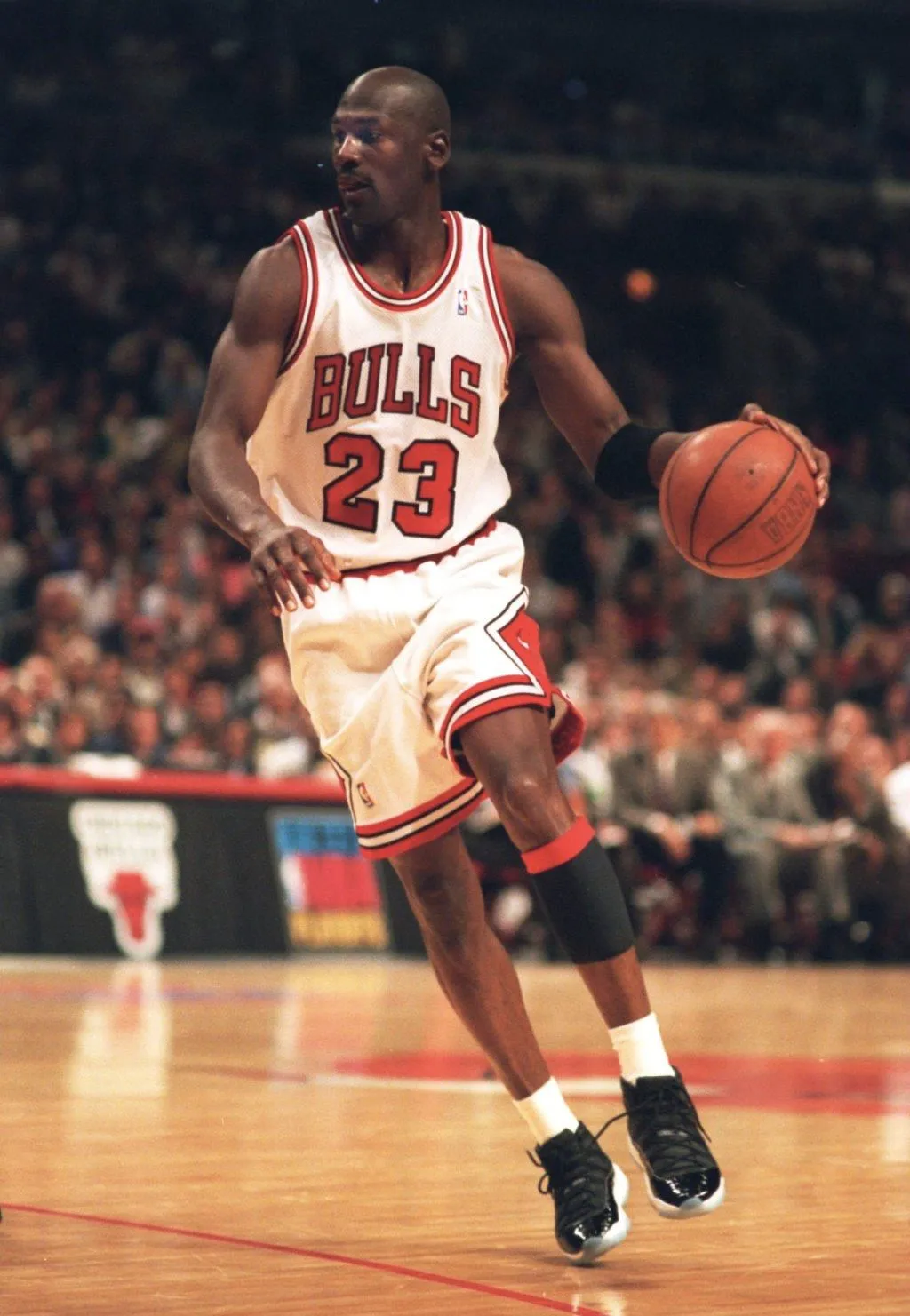 Photo: Michael Jordan, via i.pinimg.com
Today, that same path to greatness has been paved over with something entirely different.
The Asphalt Academy That Never Charged Tuition
For decades, America's basketball talent pipeline flowed through neighborhood courts where the only requirement was showing up. From Rucker Park in Harlem to Venice Beach in California, these outdoor stages hosted daily auditions where reputations were built one possession at a time.
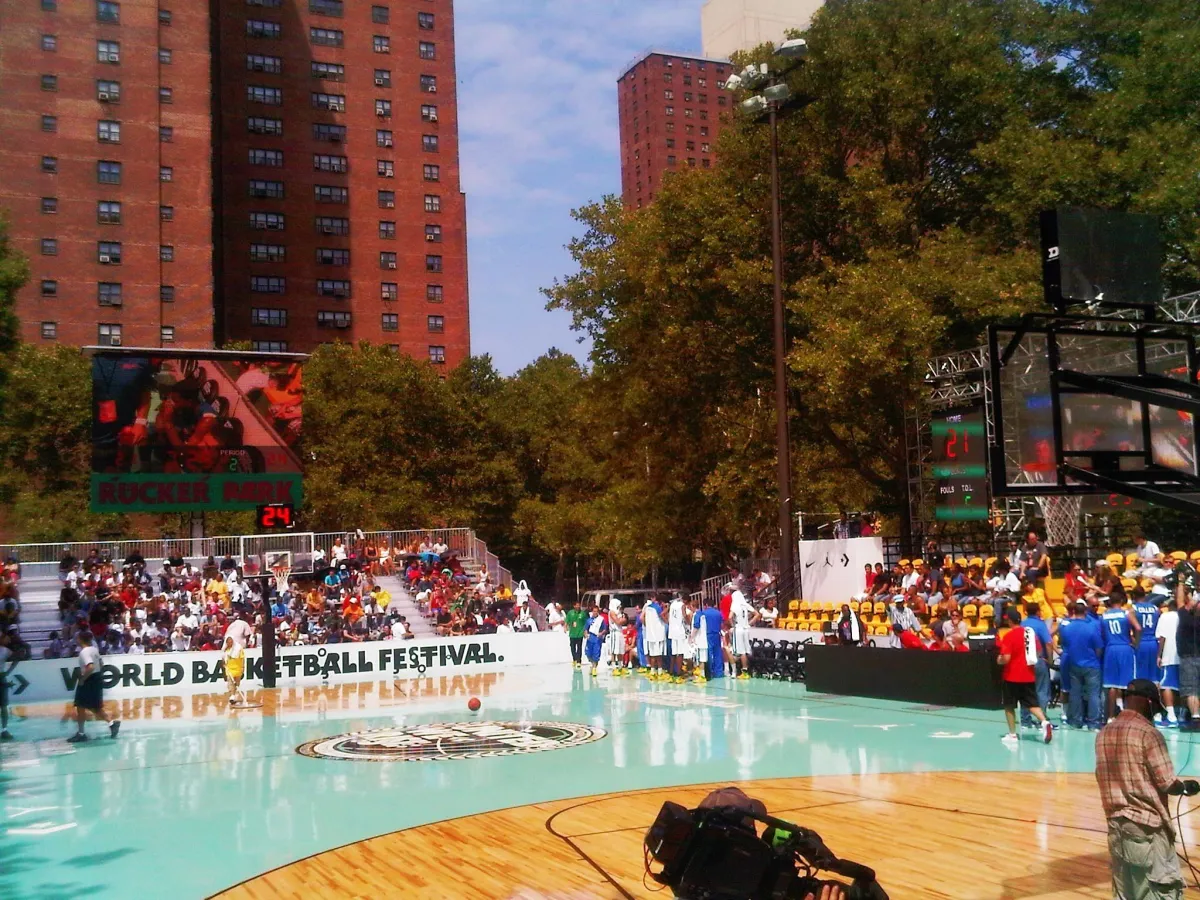 Photo: Rucker Park, via i.pinimg.com
The rules were simple: winners stay, losers walk. No coaches called timeouts, no parents shouted from sidelines, and no participation trophies existed. If you couldn't hang with the older players, you sat down and watched until you learned enough to compete.
These courts produced an astounding roster of NBA talent. Kareem Abdul-Jabbar honed his sky hook on New York playgrounds. Magic Johnson developed his court vision in Lansing, Michigan pickup games. Even suburban stars like Larry Bird spent summers testing themselves against streetball legends who would never make it to college but could teach lessons no textbook contained.
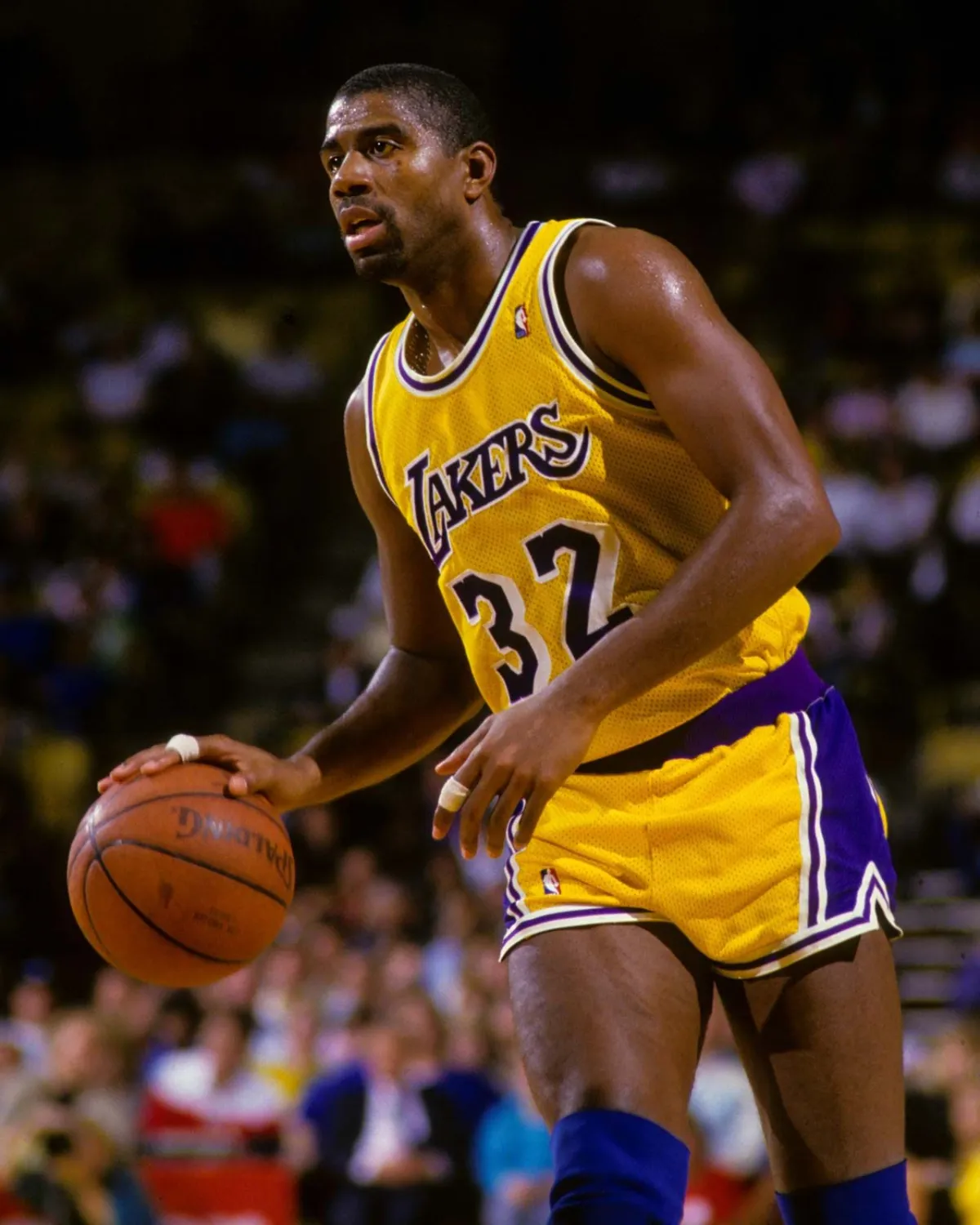 Photo: Magic Johnson, via cdn.britannica.com
The pickup game was democratic in the truest sense — talent mattered more than pedigree, and respect was earned through performance, not potential.
When Development Moved Indoors
Somewhere in the 1990s, American basketball began its migration from the streets to the facilities. AAU (Amateur Athletic Union) programs exploded across the country, promising structured development and college exposure for young players willing to pay the price — literally.
What started as supplemental summer competition became the primary pathway to college scholarships. Travel teams with corporate sponsors replaced neighborhood squads named after local businesses. Air-conditioned gyms with regulation courts became the new proving grounds, complete with certified officials and detailed statistics.
Parents began investing thousands of dollars annually in their children's basketball development: AAU fees, private training sessions, showcase tournaments, and specialized camps. The pickup court, once free to anyone with sneakers, couldn't compete with promises of college recruiters and professional coaching.
The Algorithm vs. The Asphalt
Today's basketball development system operates like a precision machine. Young players follow carefully planned progression paths designed by sports scientists and performance specialists. Every workout is monitored, every game is filmed, and every statistic is tracked.
Private trainers charge $100 per hour to teach skills that pickup veterans once shared for free during water breaks. Showcase tournaments cost $500 per team to attend, replacing the informal tournaments that happened every weekend on outdoor courts across America.
The modern system is undeniably more efficient at developing specific skills. Players today are stronger, faster, and more technically proficient than ever before. But something intangible was lost in the translation from concrete to hardwood.
What the Streets Taught That Facilities Can't
Pickup basketball was about more than developing jump shots and defensive stances. It was a crash course in reading people, handling pressure, and earning respect through performance rather than potential.
On the playground, a 15-year-old had to prove himself against grown men coming off eight-hour shifts who weren't interested in developing youth talent — they just wanted to win. This created a unique pressure that no organized practice could replicate.
The pickup court also served as basketball's great equalizer. College stars played alongside high school dropouts, and success depended entirely on what happened between the lines. This environment produced players with an edge that modern development systems struggle to replicate.
Pickup games taught improvisation in ways that structured drills never could. When the game was on the line and no coach could call a play, players learned to create something from nothing. This street creativity became the signature of American basketball worldwide.
The Economics of Dreams
Perhaps most importantly, the pickup court was accessible to everyone. A kid from any economic background could walk onto a court and compete for respect alongside anyone else. Basketball was one of America's most democratic sports because the only barrier to entry was courage.
Today's development system has effectively priced out many of the communities that produced basketball's greatest innovators. While AAU programs offer scholarships and assistance, the new gatekeepers of basketball development often can't identify talent that doesn't fit conventional molds.
The pickup court discovered players based on pure ability rather than measureables or projections. Some of basketball's most creative players might never have been found by today's systematic approach to talent identification.
The Courts That Remember
A few legendary pickup courts still host serious games, but they're museum pieces compared to their heyday. Rucker Park draws crowds for its summer tournament, but the daily pickup culture that once defined the space has largely disappeared.
Young players today are more likely to spend their summers in climate-controlled facilities than on outdoor courts. The next generation of basketball stars will be products of systematic development rather than street education.
This isn't necessarily worse — just completely different. Modern players are more athletic and technically skilled than their predecessors. But they're also products of a system rather than survivors of a culture.
The pickup court taught lessons that can't be replicated in organized settings: how to handle disrespect, how to create under pressure, and how to earn a place through performance rather than promise. These courts built not just basketball players, but competitors who understood that respect was something you took, not something you were given.
As American basketball continues its evolution toward systematic perfection, it's worth remembering the cracked concrete classrooms that produced some of the game's greatest teachers — and wondering what wisdom was left behind when we moved the game indoors.