When Cars Were Built to Last Forever — And Families Could Actually Afford Forever
The One-Check Wonder Years
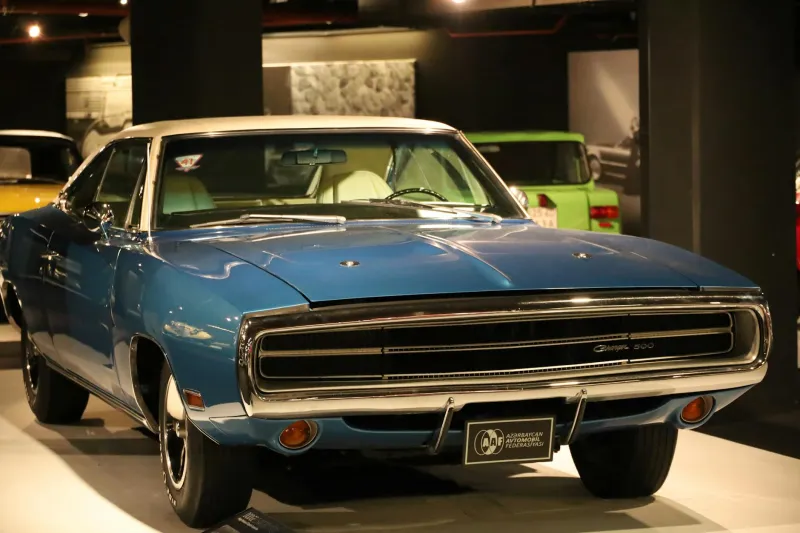
In 1973, my neighbor Mr. Patterson walked into a Chevrolet dealership with his annual salary tucked into a savings account — roughly $12,000 — and drove home in a brand-new Impala. No financing paperwork. No credit checks. No monthly payments stretching into the next decade. Just a handshake, a check, and the keys to a car that would faithfully start every morning for the next 200,000 miles.
That world feels like ancient history now, but it was the American automotive reality for generations. Cars weren't just transportation; they were decade-long investments that families could actually afford upfront.
When Sticker Shock Meant Something Different
The math from that era tells a story that modern car buyers can barely comprehend. In 1975, the average new car cost about $4,950, while the median household income hovered around $13,700. Do the math: a new car represented roughly four months of the average family's gross income.
Fast-forward to today, and those numbers have completely flipped the script. The average new car now costs over $48,000, while median household income sits at approximately $70,000. That same vehicle now represents eight months of gross income — double what families paid a generation ago.
But the real shock comes when you factor in how people actually buy cars today. In 1975, nearly 60% of new car purchases were made with cash or very short-term financing. Today, that number has plummeted to less than 10%. We've transformed from a nation of car owners to a nation of car renters, making payments on vehicles we'll never truly own.
The 72-Month Trap
The average auto loan term has stretched from 36 months in the 1970s to over 72 months today, with some extending to 84 months or longer. What sounds like lower monthly payments actually represents one of the most expensive shifts in American consumer behavior.
Consider the Patterson family's 1973 Impala again. If they had financed it over three years at the era's typical 8% interest rate, they would have paid about $5,200 total — roughly $250 in interest charges. Today's buyer, financing that $48,000 car over 72 months at 6% interest, pays nearly $53,000 total — $5,000 in interest charges alone.
But here's the kicker: the 1973 Impala was still running strong when the Clinton administration took office. Today's financed vehicle will likely need major repairs or replacement before the loan is even paid off.
Built to Break vs. Built to Last
The engineering philosophy behind American cars has fundamentally shifted since the 1970s. Cars from that era were overbuilt by today's standards — heavy steel frames, simple mechanical systems, and components designed for longevity rather than efficiency.
A 1975 Ford F-150 came with a 300-cubic-inch inline-six engine that mechanics called "bulletproof." Owners regularly drove these trucks past 300,000 miles with nothing more than basic maintenance. The transmission was a simple three-speed manual that a weekend mechanic could rebuild in a garage.
Modern vehicles are marvels of efficiency and technology, packed with computer systems, sensors, and lightweight materials that improve performance and fuel economy. But this complexity comes with a hidden cost: repairs that require specialized diagnostic equipment and replacement parts that can cost more than entire engines from the 1970s.
The Insurance and Maintenance Reality Check
Car ownership costs extend far beyond the purchase price, and here too, the comparison reveals dramatic changes. Insurance on a 1975 family sedan typically cost less than $200 annually. Today's equivalent coverage runs $1,500 or more per year.
Maintenance tells a similar story. The 1975 car owner could expect to spend maybe $300 annually on routine maintenance and repairs, mostly at the local garage where the mechanic knew the car's history. Modern vehicles require specialized service, proprietary parts, and diagnostic equipment that can turn a simple repair into a $1,500 adventure.
The Freedom That Became a Chain
Perhaps the most profound change isn't financial — it's psychological. Car ownership once represented true freedom. Families bought a car, drove it for a decade or more, and enjoyed years without car payments. The vehicle was an asset, fully owned and available for whatever adventure called.
Today's car "ownership" feels more like a subscription service. Monthly payments, gap insurance, extended warranties, and the constant awareness that major repairs might exceed the vehicle's value create a relationship built on anxiety rather than freedom.
The American love affair with the automobile hasn't ended, but it has fundamentally changed character. We've traded the simple satisfaction of owning something outright for the complex burden of perpetual payments on depreciating assets.
The Road We Traveled
The shift from cash purchases to extended financing didn't happen overnight. It was driven by rising vehicle costs, stagnating wages, and an automotive industry that discovered monthly payments could unlock larger profit margins than one-time sales.
What we've lost in this transition isn't just financial — it's the confidence that comes with true ownership, the peace of mind that comes with simplicity, and the freedom that comes with driving something that's actually yours.
Mr. Patterson's 1973 Impala finally gave up in 1998, after 25 years and nearly 400,000 miles of faithful service. His grandson just signed papers for a 84-month loan on a car that might not make it to 2030. Progress, it turns out, doesn't always move in the direction we expect.