When Kids Had Evenings: The Hour of Homework That Became a Family's Second Job
In 1975, nine-year-old Tommy Martinez would race home from Lincoln Elementary, grab a snack, and knock out his homework in about 45 minutes. Math worksheets, spelling words, maybe some reading. Done by 4:30 PM, leaving the rest of the afternoon for bike rides, pickup basketball, or just sprawling on the living room carpet with a comic book.
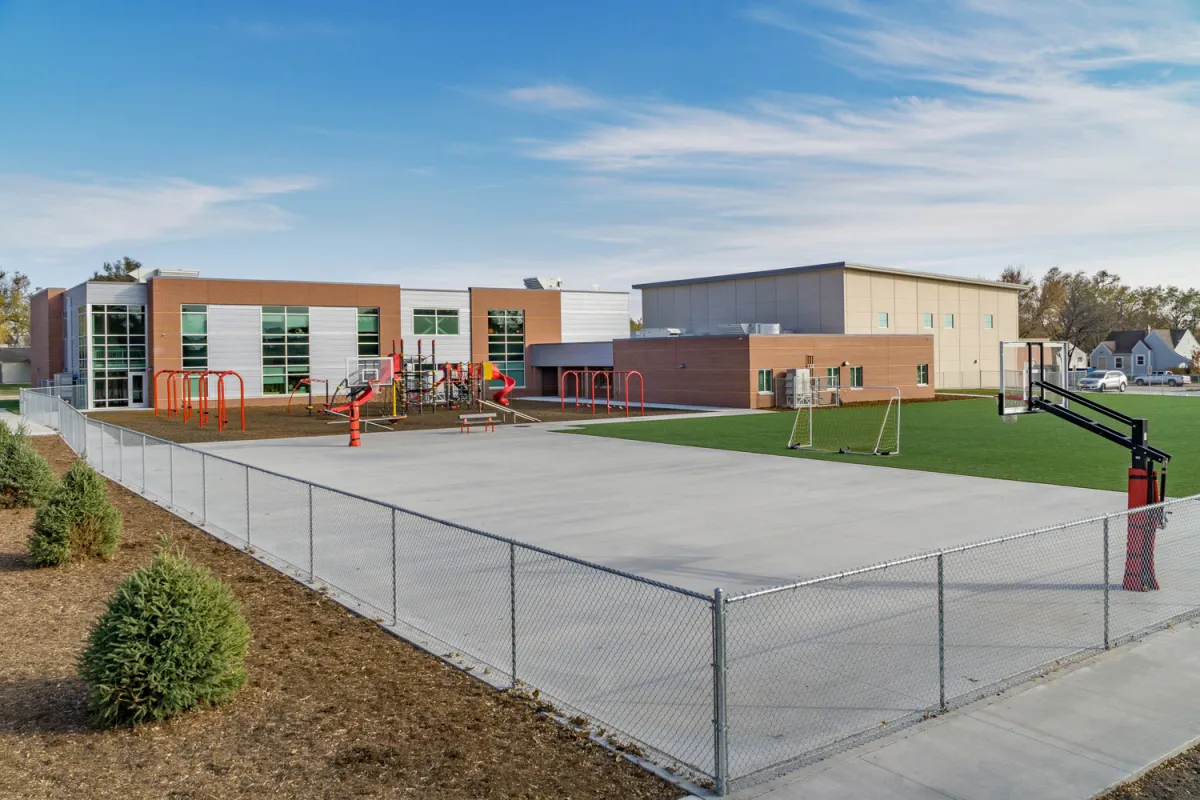 Photo: Lincoln Elementary, via iconengineers.net
Today, Tommy's grandson faces a dramatically different reality. Third-graders in his district average 2.5 hours of homework per night. Parents hire tutors for elementary math. Apps track assignment completion. Family dinner gets pushed to 8 PM because someone still needs to finish their science project.
The Numbers Tell the Story
Research from the University of Michigan shows that homework time for children ages 6-9 has tripled since 1981. What used to be a 30-minute commitment now stretches past two hours for many families. High schoolers, who once spent about an hour on assignments, now average 3.5 hours nightly.
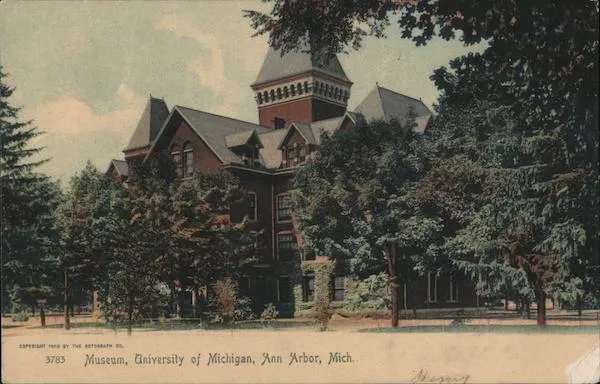 Photo: University of Michigan, via www.cardcow.com
The shift isn't just about time—it's about complexity. 1970s homework focused on practicing skills taught in class. Today's assignments require research projects, multimedia presentations, and collaboration tools that didn't exist in most homes until the 2000s.
"We're asking eight-year-olds to do work that would have challenged high school students a generation ago," says Dr. Sarah Chen, who studies childhood development at Northwestern University. "The cognitive load has increased exponentially."
 Photo: Northwestern University, via wallpapers.com
When Parents Became Teaching Assistants
Perhaps the biggest change is parental involvement. In the 1970s, homework belonged to the child. Parents might check that it was done, but they weren't expected to understand Common Core math or help construct dioramas that require craft store runs.
Today's homework often assumes significant adult participation. School districts send home rubrics, project timelines, and detailed instructions for parents. Online portals let families track missing assignments in real-time. The message is clear: homework is now a family responsibility.
"I spend more time on my daughter's homework than she does," admits Jennifer Walsh, a mother of two in suburban Denver. "Between researching her social studies project and helping with math I don't recognize, it's become my part-time job."
This shift has created a new form of educational inequality. Families with time, resources, and advanced degrees can provide extensive homework support. Others cannot. What was once a level playing field—children working independently—has become a competition between households.
The Evening That Disappeared
The most profound loss might be what researchers call "unstructured time." In 1975, children had hours each day for free play, exploration, and boredom—which psychologists now recognize as crucial for creativity and problem-solving development.
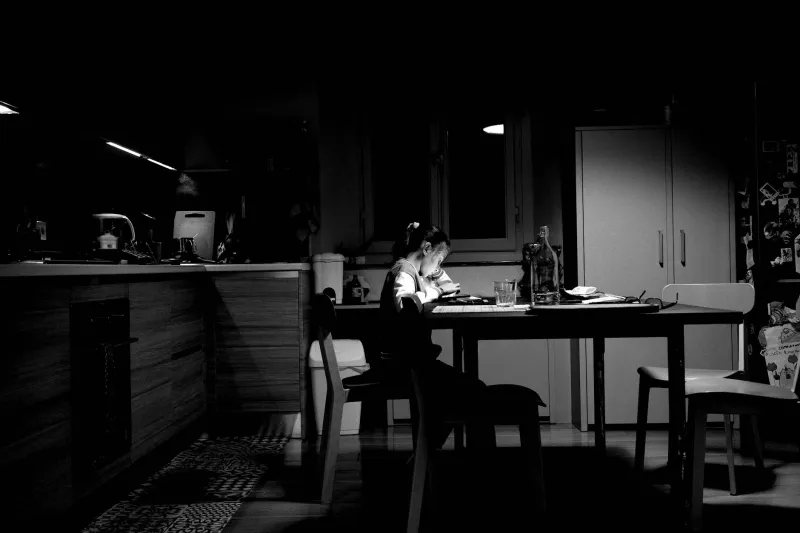
Modern families schedule homework like a shift job. Kitchen tables become command centers with charging stations, printer paper, and color-coded folders. The casual rhythm of family life—dinner conversations, spontaneous activities, early bedtimes—gets reorganized around assignment deadlines.
"We've professionalized childhood," observes Dr. Peter Gray, a researcher who studies play and learning. "What used to be a child's natural development time has been converted into academic productivity hours."
The Questionable Returns
Despite the dramatic increase in homework time, academic outcomes haven't improved proportionally. International test scores show American students performing roughly the same as they did in the 1970s, despite spending three times longer on assignments.
Countries like Finland, which assigns minimal homework in elementary years, consistently outperform the United States in reading, math, and science. Their students also report higher levels of well-being and family satisfaction.
The research on homework effectiveness is surprisingly thin. Most studies show little correlation between assignment time and learning for children under 10. Even for older students, the benefits plateau after about two hours of nightly work.
What We Traded Away
The homework explosion has reshaped American family life in ways we're only beginning to understand. Children have less time for physical activity, contributing to rising obesity rates. Family stress levels have increased as parents juggle work demands with educational support roles.
Siblings compete for parental attention during homework hours. Younger children learn to expect academic pressure from an early age. The natural rhythm of childhood—marked by seasons, play, and gradual responsibility—has been replaced by academic calendars and achievement metrics.
"My kids don't know how to be bored," reflects Maria Santos, a mother of three in Phoenix. "Every minute is scheduled around homework, activities, or catching up on homework. They've never experienced that restless summer afternoon that forces you to invent your own fun."
The Path Forward
Some schools are beginning to question the homework arms race. Districts in California and Vermont have implemented "no homework" policies for elementary students. Others cap assignment time at 10 minutes per grade level—a guideline that would give third-graders 30 minutes, not three hours.
These experiments often face resistance from parents who equate homework volume with academic rigor. The cultural shift toward intensive childhood management makes it difficult to step back, even when research suggests benefits.
But families who've made the change report surprising results: children who sleep better, play more creatively, and actually enjoy learning. Parents who reclaim their evenings find time for conversations, games, and the kind of relaxed interactions that build family bonds.
The irony is striking: in our effort to give children every educational advantage, we may have taken away the very experiences that foster curiosity, resilience, and joy in learning. The hour of homework that once left evenings free for childhood might have been the better deal after all.