When Your Pharmacist Knew Chemistry, Not Just Computers — The Disappearing Art of Made-to-Order Medicine
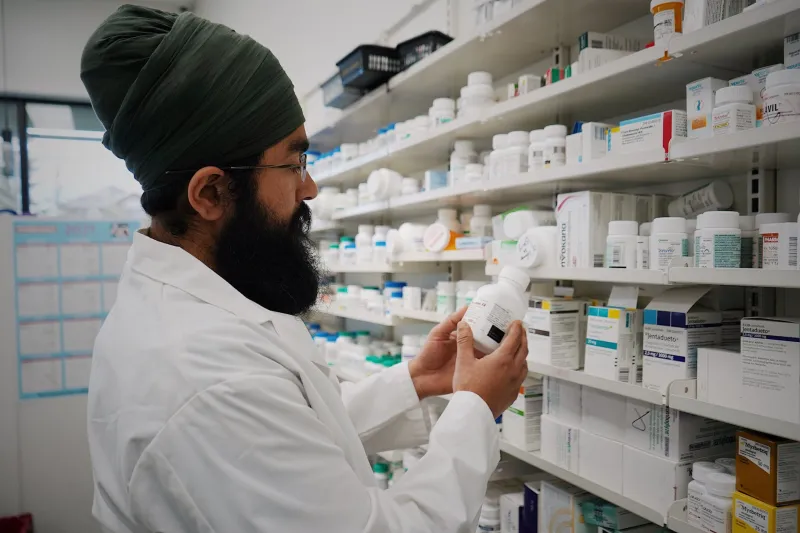
The White Coat That Meant Something Different
Walk into Walgreens today, and you'll see someone in a white coat behind a counter surrounded by bottles, computers, and automated dispensing machines. Walk into Murphy's Drug Store in 1955, and you'd find Mr. Murphy himself — sleeves rolled up, mortar and pestle in hand, actually making your medicine from scratch.
The difference isn't just cosmetic. It's the gap between a craftsman and a logistics coordinator.
When Pharmacy Was Chemistry, Not Retail
In the 1950s, roughly 60% of all prescriptions required some form of compounding — the technical term for mixing, measuring, and creating medications by hand. Your neighborhood pharmacist didn't just count pills; he ground powders, mixed liquids, created custom dosages, and adjusted formulations based on your specific needs.
That bottle of cough syrup? Mixed fresh that morning with the exact sweetness level your kids could tolerate. The arthritis cream for Mrs. Johnson next door? Blended to a specific strength because the standard formula was too harsh for her sensitive skin. The heart medication for the retired mailman? Compounded into a liquid because he couldn't swallow pills after his stroke.
Today, less than 3% of prescriptions require any compounding. The rest come pre-manufactured, pre-measured, and pre-packaged by pharmaceutical companies. Your pharmacist's job has shifted from creator to distributor.
The Consultation That Actually Consulted
But the real difference wasn't in the mixing — it was in the knowing.
Mr. Murphy knew that Tommy's mother always forgot to give him his antibiotics with food. He knew that the elderly couple on Elm Street couldn't afford their full prescription regimen, so he'd quietly work with their doctor to find alternatives. He knew which customers were likely mixing medications dangerously and would intervene before problems started.
This wasn't because he was particularly nosy. It was because pharmacy was still a small-town profession where relationships mattered more than throughput.
The average independent pharmacy in 1960 filled about 150 prescriptions per day. Today's CVS or Walgreens processes closer to 300-400 daily. That's the difference between having a five-minute conversation with each customer and having thirty seconds to scan, count, and bag.
The Economics of Knowing Your Name
Here's where the numbers tell the real story: In 1960, the average prescription cost about $3.50 — roughly $35 in today's money. But that price included not just the medication, but genuine pharmaceutical expertise, custom compounding when needed, and ongoing health consultation.
Today's average prescription costs about $50, but that's after insurance negotiations, corporate overhead, and automated systems have supposedly made everything more "efficient." What you're paying more for is actually less personal service.
The old model worked because pharmacists made their money on professional services, not just product markup. They were paid to think, not just process. Today's pharmacy model makes money on volume and insurance reimbursements, creating pressure to move customers through as quickly as possible.
The Technology That Changed Everything
The transformation didn't happen overnight. It started in the 1970s with the introduction of automated pill counters and computerized inventory systems. By the 1980s, pre-manufactured medications had largely replaced custom compounding for routine prescriptions. The 1990s brought insurance networks that standardized pricing and reduced pharmacist discretion.
But the real game-changer was the rise of pharmacy chains. When CVS bought out Murphy's Drug Store and 10,000 others like it, they brought corporate efficiency — and corporate distance. The pharmacist behind the counter might not even live in your town anymore.
Modern pharmacy technology is genuinely impressive. Automated systems can detect drug interactions that even experienced pharmacists might miss. Electronic prescribing reduces errors. Insurance networks have made medications accessible to millions who couldn't afford them before.
What We Gained and What We Lost
Today's pharmacy system serves more people, more safely, and more affordably than ever before. The medications available now would seem like magic to that 1950s pharmacist. Cancer treatments, mental health medications, and chronic disease management that simply didn't exist in Mr. Murphy's day.
The automated systems catching drug interactions have prevented countless hospitalizations. The insurance networks, for all their complexity, have made life-saving medications accessible to people who would have gone without them in the old system.
But something intangible disappeared in the transition. The pharmacist who knew your family's health history, who could spot problems before they became emergencies, who served as an informal healthcare consultant for people who couldn't afford regular doctor visits.
The Personal Touch in a Digital World
Some independent pharmacies are trying to bring back elements of the old model. Compounding pharmacies still exist, serving patients with specialized needs. A few chains are experimenting with clinical pharmacists who provide consultations and health screenings.
But the economic reality makes it difficult. Insurance reimbursement rates are designed for high-volume, low-touch service. Spending ten minutes with each customer to provide genuine consultation doesn't fit the modern business model.
The Prescription for Perspective
The next time you get a text that your prescription is ready, remember what that convenience replaced. Yes, you can pick up your medication faster, cheaper, and with fewer errors than your grandparents could. The system works better in almost every measurable way.
But your grandparents' pharmacist knew their names, their histories, and their struggles. He was part chemist, part counselor, part neighborhood guardian. That's not nostalgia talking — that's a different model of healthcare entirely.
We gained efficiency and accessibility. We lost intimacy and craft. Whether that trade-off was worth it depends on what you value more: the personal touch, or the ability to get your prescription filled at 11 PM at any CVS in America.
Both have their place. But only one knew your name.