The Corner Store That Started With a Handshake
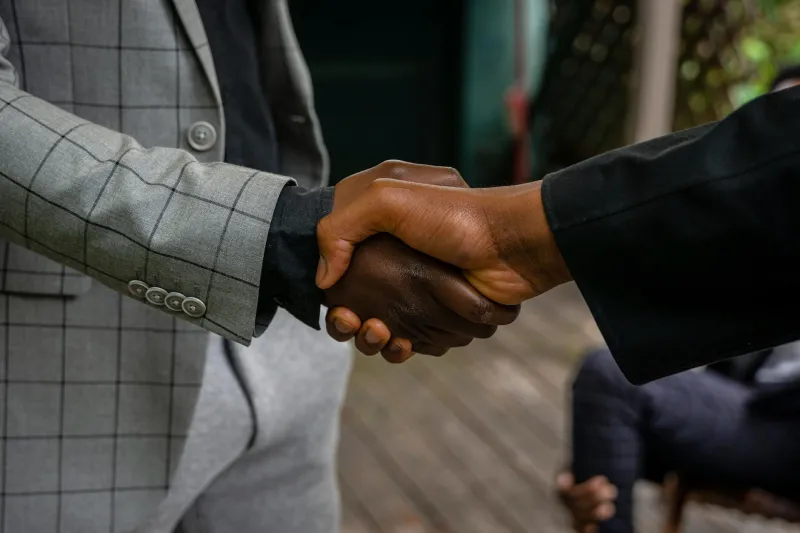
In 1962, Frank Castellano walked into Millfield's only bank with a business plan scrawled on the back of an envelope. He wanted to open a hardware store on Main Street, and banker Jim Morrison knew Frank's family, his work ethic, and his reputation around town. Twenty minutes later, they shook hands on a $3,000 loan. No lawyers. No LLC filings. No liability insurance requirements.
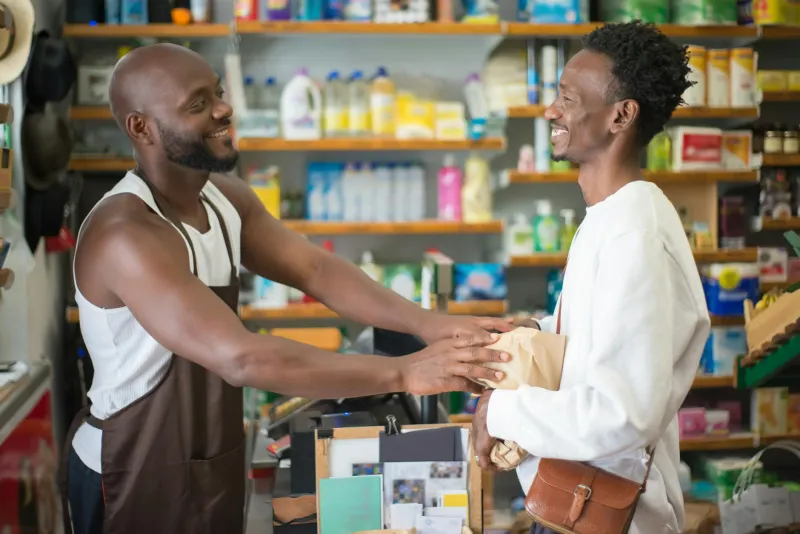
 Photo: Frank Castellano, via ix.sysoons.com
Frank's Hardware opened three weeks later.
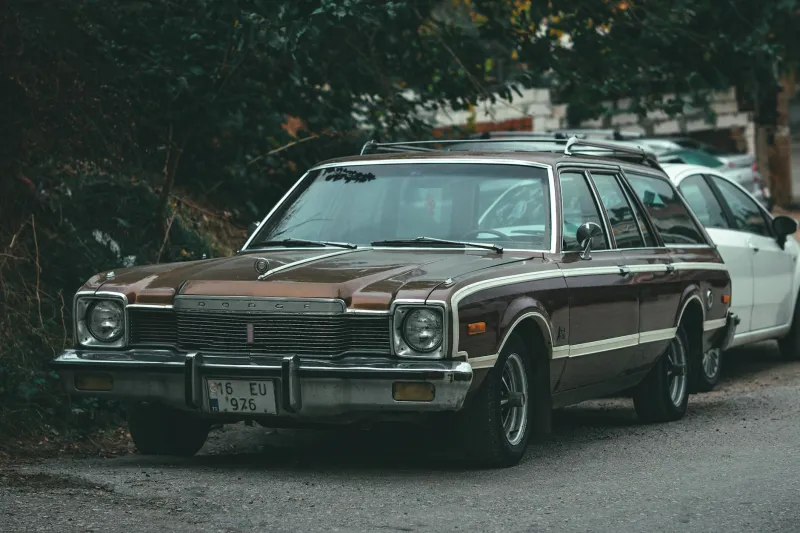
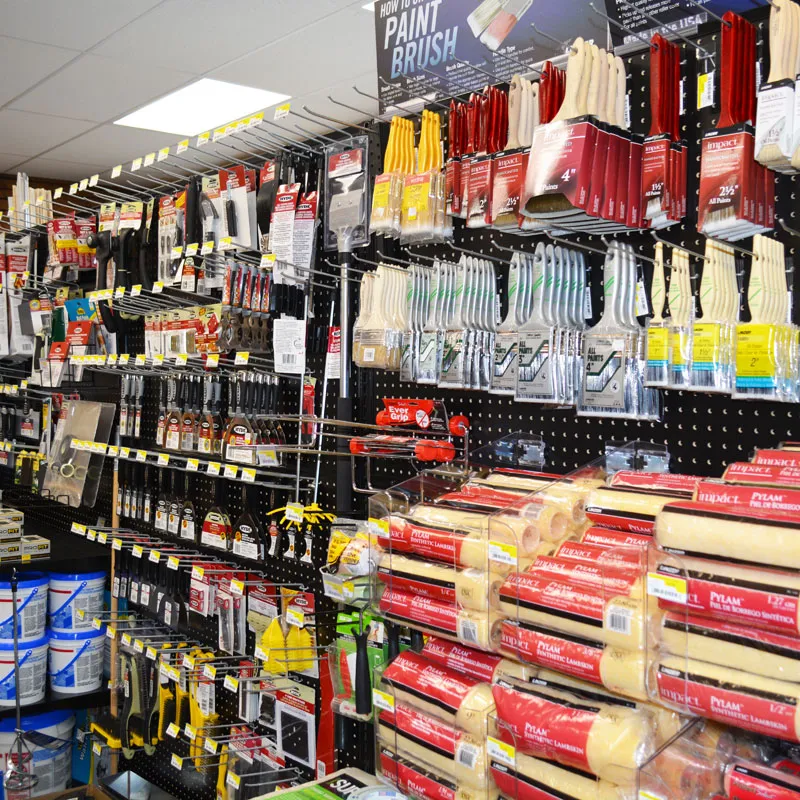 Photo: Frank's Hardware, via www.frankburtons.net
That same building today houses a boutique coffee shop whose owner spent six months navigating incorporation paperwork, zoning permits, health department inspections, and liability waivers before serving a single customer. The difference isn't just bureaucratic — it represents a fundamental shift in how America thinks about trust, risk, and community.
When Reputation Was Currency
Mid-century American business operated on a simple principle: your word was your bond, and your reputation was your credit score. Small business owners knew their customers personally, extended credit based on character, and resolved disputes through conversation rather than litigation.
The local grocer carried families through tough months, knowing they'd settle up when times improved. The mechanic fixed your car with a promise to pay when you got your next paycheck. These weren't formal credit arrangements — they were community relationships built on mutual trust and shared investment in everyone's success.
Business partnerships formed over coffee and sealed with handshakes. Frank Castellano eventually brought in his brother-in-law as a partner with nothing more than a verbal agreement about profit-sharing and responsibilities. When disputes arose, they talked them through or asked respected community members to mediate.
The Legal Revolution That Changed Everything
The transformation didn't happen overnight, but by the 1980s, America's business landscape had fundamentally shifted. Rising litigation rates, changing insurance requirements, and evolving tax codes made informal business arrangements increasingly risky.
Today, starting a business requires navigating a maze of legal requirements that would have been incomprehensible to Frank Castellano. Limited Liability Companies, operating agreements, employer identification numbers, workers' compensation insurance, general liability coverage, professional liability protection — the list grows longer each year.
A simple partnership now demands written agreements covering everything from decision-making authority to dissolution procedures. What once required a handshake now requires lawyers, accountants, and insurance agents before you can hang up an "Open" sign.
The Price of Protection
This legal evolution wasn't arbitrary — it emerged from real problems. Small business owners faced personal financial ruin when customers sued over accidents or defective products. Informal partnerships dissolved into bitter disputes that destroyed families and friendships. The handshake economy worked beautifully until it didn't.
But the cost of this protection extends beyond filing fees and legal bills. Modern business formation creates barriers that didn't exist when Frank opened his hardware store. Today's aspiring entrepreneurs need upfront capital not just for inventory and rent, but for the legal infrastructure required to operate legitimately.
More significantly, the personal relationships that once defined American commerce have largely disappeared. Customers are now "clients," partnerships are "strategic alliances," and every interaction is filtered through liability concerns and legal protections.
What We Gained and What We Lost
Today's business environment offers protections that Frank Castellano never had. Limited liability shields personal assets from business debts. Formal contracts prevent misunderstandings that once destroyed partnerships. Insurance coverage protects against catastrophic losses that could wipe out generations of family wealth.
But something intangible was lost in translation. The corner hardware store where Frank knew every customer's name and home repair history has been replaced by big-box retailers with anonymous transactions and self-checkout kiosks. The personal credit extended during tough times has been replaced by algorithm-driven approval processes that can't account for character or community standing.
Most tellingly, the barriers to entry have fundamentally changed the demographics of business ownership. Frank's handshake loan would be impossible today — not because banks don't trust people, but because regulatory requirements make small, character-based lending impractical.
The Community Cost
Perhaps the greatest change is how business ownership has shifted from a community act to an individual endeavor. Frank's hardware store wasn't just his business — it was part of Millfield's economic ecosystem. His success meant jobs for neighbors, tax revenue for schools, and a gathering place where people solved problems together.
Today's entrepreneurs operate in isolation, protected by corporate structures that separate personal and business identity. The legal protections that shield them from liability also shield them from the deep community connections that once made small business ownership a form of civic participation.
The Handshake Economy's Quiet Legacy
Frank Castellano's Hardware closed in 1994, unable to compete with national chains and changing customer preferences. But its legacy isn't just nostalgic — it represents a different model of how commerce and community can intersect.
The handshake deals that built Main Street America weren't just about trust — they were about shared risk and mutual investment in collective success. When everyone's reputation was on the line, everyone had an incentive to make sure everyone else succeeded.
Today's legal protections serve important purposes, but they've also created distance between business owners and their communities. The question isn't whether we can return to the handshake economy — we can't. But we might ask whether our current system of corporate protection has overcorrected, creating barriers that prevent the next Frank Castellano from opening that hardware store in the first place.
After all, some things can't be incorporated, insured, or protected by legal documents. Trust, reputation, and community investment still matter — we've just made them much harder to build and much more expensive to maintain.