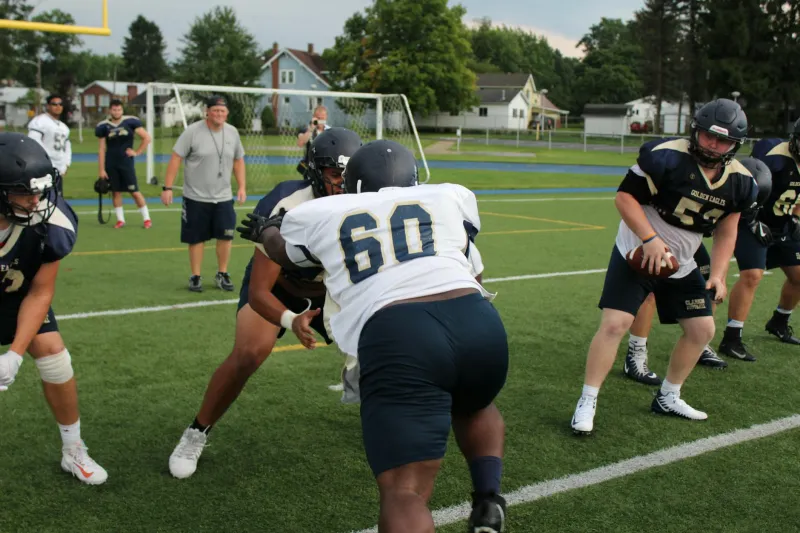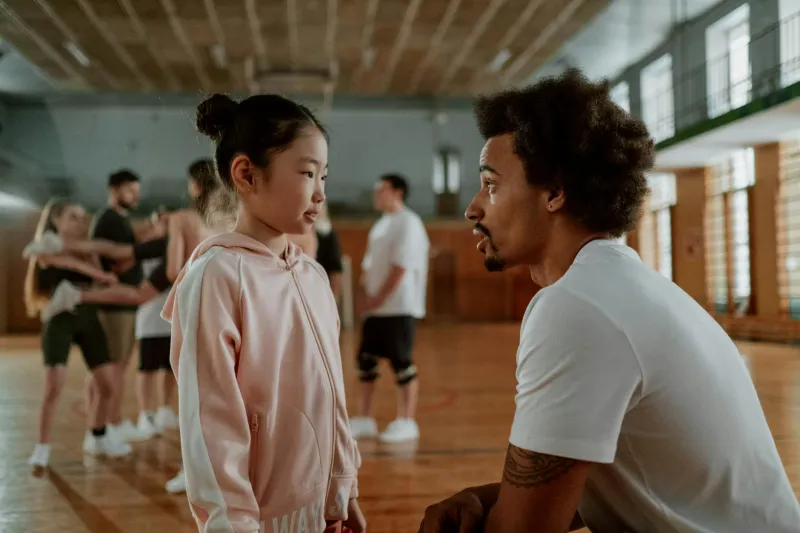
Coach Johnson Had a Day Job and a Whistle — Today's Youth Sports Coaches Have Résumés and Waiting Lists
In 1978, Mike Johnson worked at the Ford plant, coached his son's Little League team on Saturdays, and charged exactly zero dollars for his expertise. His qualifications? He played high school baseball, owned a whistle, and showed up. Today, that same coaching position requires SafeSport certification, background checks, liability insurance, and fees that can reach $200 per hour.
When Coaching Was Community Service
Forty years ago, youth sports coaching was beautifully simple. A parent — usually a dad — raised his hand at the first team meeting and said, "I'll do it." His credentials were having played the sport at some level, owning basic equipment, and being willing to spend Saturday mornings at the local park.
Coach Johnson represented thousands of volunteer coaches across America. He worked his regular job Monday through Friday, then transformed into "Coach" on weekends. His coaching philosophy came from his own playing experience, maybe a library book, and common sense about treating kids fairly. His payment was watching his kid and others learn to love the game.
The system worked because expectations were modest. Parents wanted their children to learn basic skills, get exercise, and have fun. Winning was nice, but not essential. The season ended with a pizza party, everyone got a trophy, and Coach Johnson went back to being just Mike until next spring.
Practices reflected this casual approach. Coach Johnson brought a bag of balls, some cones, and a first aid kit. He taught fundamentals through repetition and encouragement. Advanced strategy meant "swing at strikes and run hard to first base." The most sophisticated equipment was a portable pitching machine that half the time didn't work.
The Professionalization Revolution
The transformation began in the 1990s with a perfect storm of cultural changes. Child safety awareness exploded, creating demands for background checks and formal training. Liability concerns forced leagues to require insurance and certifications. Most importantly, parents began viewing youth sports as investment opportunities rather than just fun activities.
Suddenly, the volunteer coach model seemed inadequate. Parents researching travel teams wanted to see coaching résumés. They asked about certifications, playing experience, and track records of player development. Coach Johnson's "I played in high school" credential became insufficient for parents whose kids had Olympic dreams.
The coaching education industry emerged to fill this gap. Organizations like the National Federation of State High School Associations began offering coaching courses. USA Baseball created age-specific certification programs. Youth sports associations mandated minimum training requirements. What once required only enthusiasm now demanded formal education.
Today's Coaching Industrial Complex
Modern youth sports coaching has become a legitimate profession with its own career ladder. Elite travel teams employ full-time coaches with college degrees, often in exercise science or kinesiology. These professionals attend coaching clinics, study video analysis software, and use heart rate monitors to track 12-year-olds' conditioning.
The financial transformation is staggering. Where Coach Johnson volunteered his time, today's specialized coaches command serious money. Private pitching instructors charge $75-150 per hour. Elite travel team coaches earn $50,000-100,000 annually. Skill-specific camps can cost families $500 for a single weekend.
Parents now research youth coaches like hiring executives. They examine playing backgrounds, coaching histories, and success rates of former players. Online platforms like TeamSnap and SportsRecruits allow coaches to build professional profiles complete with testimonials and statistics. The casual "I'll help out" volunteer has been replaced by interviewed, evaluated, and contracted professionals.
The Technology and Training Gap
The sophistication gap between then and now is enormous. Coach Johnson's practice planning involved scribbling notes on a napkin. Today's coaches use apps like TeamBuildr to design periodized training programs. They film practices with tablets, break down mechanics using slow-motion analysis, and track player development through detailed databases.
Modern coaching education covers sports psychology, injury prevention, nutrition, and age-appropriate training methodologies. Coaches learn about growth plate injuries, overuse prevention, and the psychological development of young athletes. This knowledge makes today's coaches far more qualified to safely develop young players.
The equipment evolution mirrors the coaching transformation. Coach Johnson's bag of balls has been replaced by radar guns, agility ladders, resistance bands, and GPS tracking devices. Youth practices now resemble professional training sessions, complete with warm-up protocols and recovery strategies.
What We Gained and Lost
The professionalization brought undeniable benefits. Today's youth coaches are better trained, safer, and more effective at skill development. Background check requirements protect children. Proper training reduces injury rates. Specialized instruction accelerates player development in ways Coach Johnson never could have achieved.
But something valuable was lost in translation. The community connection that made Coach Johnson special — knowing players' families, caring about character development, volunteering out of genuine love for the game — often gets replaced by transactional relationships. Professional coaches may know more about biomechanics, but they might not know that Tommy's parents are getting divorced or that Sarah needs extra encouragement because she's naturally shy.
The financial barriers have fundamentally changed youth sports participation. When coaching was free and equipment was basic, any family could afford to play. Now, with professional instruction costs, specialized gear, and travel expenses, youth sports increasingly serve affluent families who can afford the investment.
The Search for Balance
Some communities are finding middle ground. Recreational leagues still rely on parent volunteers but provide them with better training and resources. Organizations like Positive Coaching Alliance teach volunteer coaches how to create supportive environments while maintaining appropriate safety standards.
Other programs blend professional and volunteer elements. Head coaches might be paid professionals while assistant coaches remain parent volunteers. This preserves community connection while ensuring qualified leadership.
The Coaching Timelapse
The evolution from Coach Johnson to today's certified professionals reflects broader changes in American parenting and competition. We've gained expertise, safety, and sophisticated training methods. We've lost accessibility, community connection, and the simple joy of adults sharing their love of sports with neighborhood kids.
The volunteer coach represented an era when youth sports were primarily about fun, exercise, and life lessons. Today's professional coaches serve families who view athletics as pathways to scholarships, college admissions, and potentially professional careers.
Neither approach is entirely right or wrong, but understanding this transformation explains why youth sports feel so different today. The stakes got higher, the expertise got deeper, and the bills got bigger. Coach Johnson's whistle and enthusiasm were replaced by certifications and contracts — progress that came with both gains and losses that still shape how American kids learn to play.