The Greatest Deal in American History — When Veterans Could Buy the Middle Class for $50 a Month
In 1946, Staff Sergeant Frank Romano returned from the Pacific Theater with $300 in his pocket and a piece of paper that would change his life forever. The GI Bill promised him a college education, a home loan, and unemployment benefits while he figured out civilian life. Within eighteen months, Frank was enrolled at Northwestern University, living in a new house in suburban Chicago, and raising a family on a single income.
 Photo: Northwestern University, via touristlandmarks.com
The same promises exist today. The execution, however, tells a completely different story.
When America Kept Its Word — And Could Afford To
The Servicemen's Readjustment Act of 1944, known as the GI Bill, wasn't just legislation — it was the most successful social program in American history. For returning World War II veterans, it represented a genuine pathway from military service to middle-class prosperity, and the numbers made it work.
College tuition at most universities cost between $300-500 per year in the late 1940s. The GI Bill covered full tuition plus a monthly living allowance of $65 for single veterans, $90 for married veterans. That allowance alone was enough to rent a decent apartment and buy groceries for a family.
But the real magic happened in housing. VA home loans required no down payment and carried interest rates around 4%. In 1947, the median home price in America was $4,000 — roughly twice the annual income of an average worker. A veteran could buy a three-bedroom house in a good neighborhood for monthly payments under $50.
Do the math: college was covered entirely, housing cost less than a car payment, and the monthly benefit check covered living expenses. Veterans weren't just getting assistance — they were getting a complete economic package that virtually guaranteed middle-class entry.
The Suburban Dream Factory
The GI Bill didn't just help individual veterans; it built modern America. Developers like William Levitt created entire communities designed around VA-financed homes, with standardized floor plans that kept costs low and quality high.
Levittown, New York, became the template for post-war suburban development. Houses sold for $7,990 with no money down for veterans — monthly payments of $58 including taxes and insurance. These weren't starter homes; they were 750-square-foot Cape Cods with modern appliances, built-in televisions, and landscaped yards.
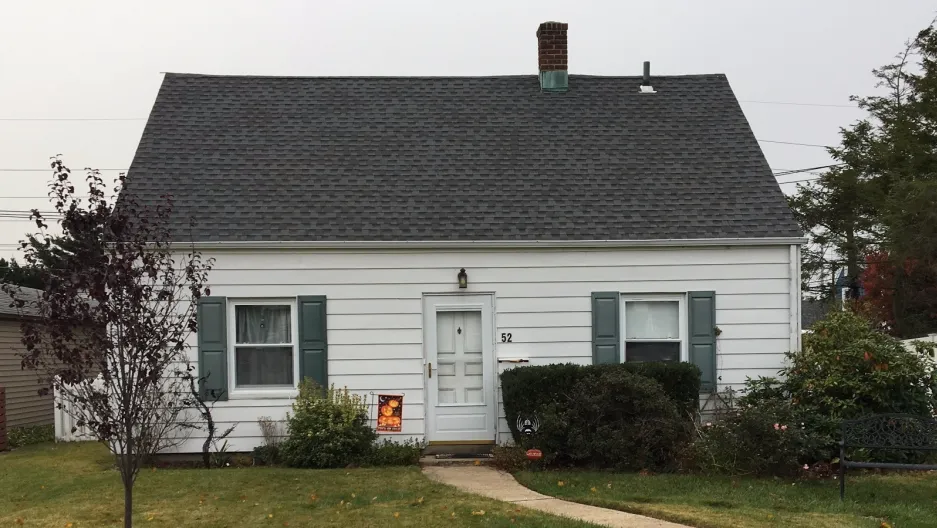 Photo: Levittown, New York, via media.pri.org
By 1956, nearly 8 million World War II veterans had used their home loan benefits, and the homeownership rate in America jumped from 44% to 60%. Entire neighborhoods filled with young families who had bought their piece of the American Dream with military service and a government promise that actually delivered.
The ripple effects lasted generations. These homes appreciated steadily over decades, creating wealth that veterans passed to their children and grandchildren. The GI Bill didn't just provide housing — it created America's property-owning middle class.
When College Was Actually Affordable
Higher education in the 1940s operated on completely different economics. State universities charged modest tuition because they were genuinely public institutions, funded primarily through state budgets rather than student fees.
At the University of California, tuition was free for state residents until the 1970s. Even private universities like Harvard charged just $525 per year in 1947 — about $6,000 in today's money. The GI Bill's education benefits didn't just cover these costs; they exceeded them, allowing veterans to focus on studies rather than survival.
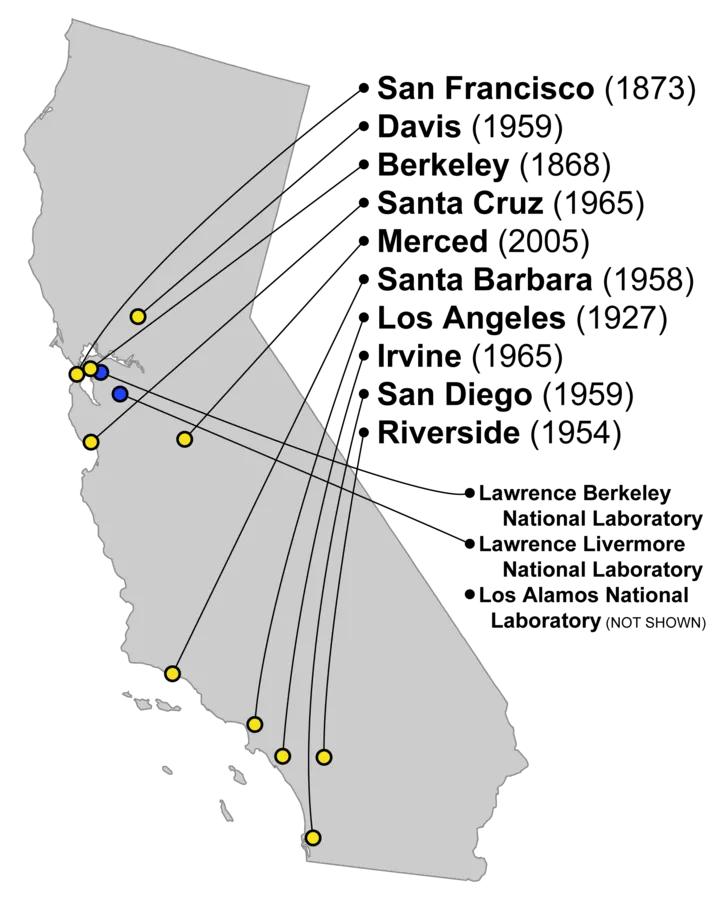 Photo: University of California, via capitalandmain.com
More importantly, the job market that awaited college graduates offered immediate returns on educational investment. A bachelor's degree from virtually any accredited university opened doors to corporate careers with pension plans, health insurance, and wages that could support a family.
Veterans weren't gambling on education; they were investing in a sure thing. College led directly to career advancement, and the costs were low enough that even a modest improvement in earning potential justified the investment.
Today's Impossible Math
Modern veterans face the same promises wrapped in completely different economics. The Post-9/11 GI Bill, passed in 2008, actually provides more generous benefits than the original — but the landscape those benefits must navigate has changed beyond recognition.
Today's average college tuition at public universities exceeds $10,000 annually for in-state students, over $25,000 for private schools. The GI Bill covers these costs, but the monthly housing allowance — based on local BAH rates — often falls short of actual living expenses in college towns where student housing has become a profit center.
More critically, today's housing market makes homeownership nearly impossible even with VA loan benefits. The median home price in America now exceeds $400,000 — roughly eight times the median household income. Even with zero down payment, monthly mortgage payments often exceed $2,500, placing homeownership out of reach for many veterans transitioning to civilian careers.
The same house that cost $50 per month in 1947 now requires $2,000 monthly payments, while entry-level wages haven't increased proportionally. Veterans today face a choice their predecessors never confronted: use the housing benefit for an apartment rental, or wait years to save for homeownership that may never become affordable.
The Promise That Can't Be Kept
The fundamental difference isn't in government generosity — it's in the underlying cost structure of American life. In 1947, housing, education, and healthcare were reasonably priced because they operated as genuine markets rather than investment vehicles.
Colleges competed primarily on educational quality rather than amenities, keeping costs focused on instruction rather than recreation centers and luxury dormitories. Housing was built to meet demand rather than maximize returns, creating affordable options for working families.
Today's veterans enter an economy where housing, education, and healthcare have become financialized assets, priced for maximum return rather than accessibility. The GI Bill benefits have grown larger, but they're chasing prices that have grown even faster.
What We Lost in Translation
The original GI Bill succeeded because it aligned with an economy designed to reward work and service with genuine opportunity. Veterans could reasonably expect that education would lead to careers, and careers would support families in homes they could actually own.
That alignment no longer exists. Modern veterans receive excellent benefits for navigating an economic system that has fundamentally changed its relationship with the middle class. The promise remains the same, but the pathway has been priced out of reach.
Frank Romano's story — from military service to suburban homeownership in eighteen months — represents more than just good policy. It captures a moment when America's economic system actually delivered on its promises to working people.
Today's veterans deserve the same opportunity, but getting there would require rebuilding the economic foundations that made the original GI Bill possible. The benefits are still there; it's the American Dream itself that needs adjustment.