The Swimming Pool That Belonged to Everyone — And the $200 Membership That Replaced It
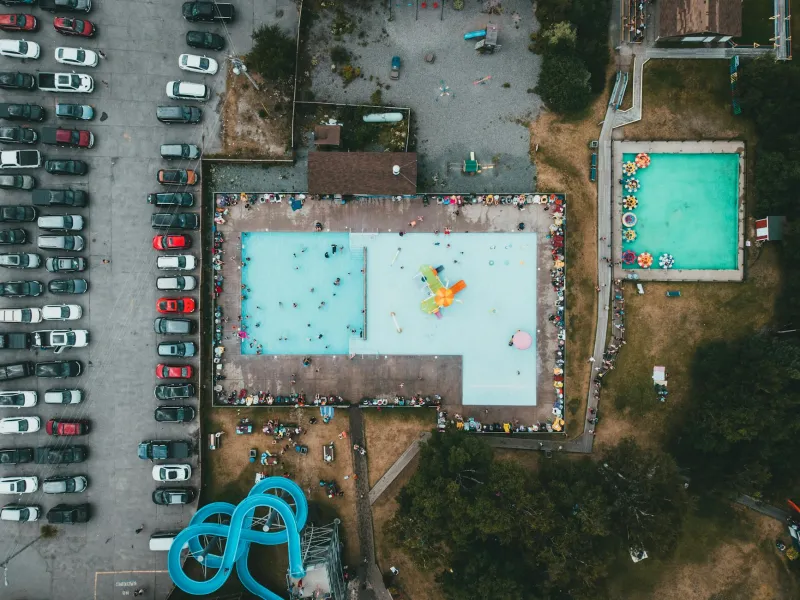
Every summer morning in 1978, the gates to Riverside Park Pool opened at 9 AM sharp, and kids from across town would sprint through the entrance for the best spots on the concrete deck. Rich kids and poor kids, Black kids and white kids — everyone paid the same admission price: absolutely nothing.
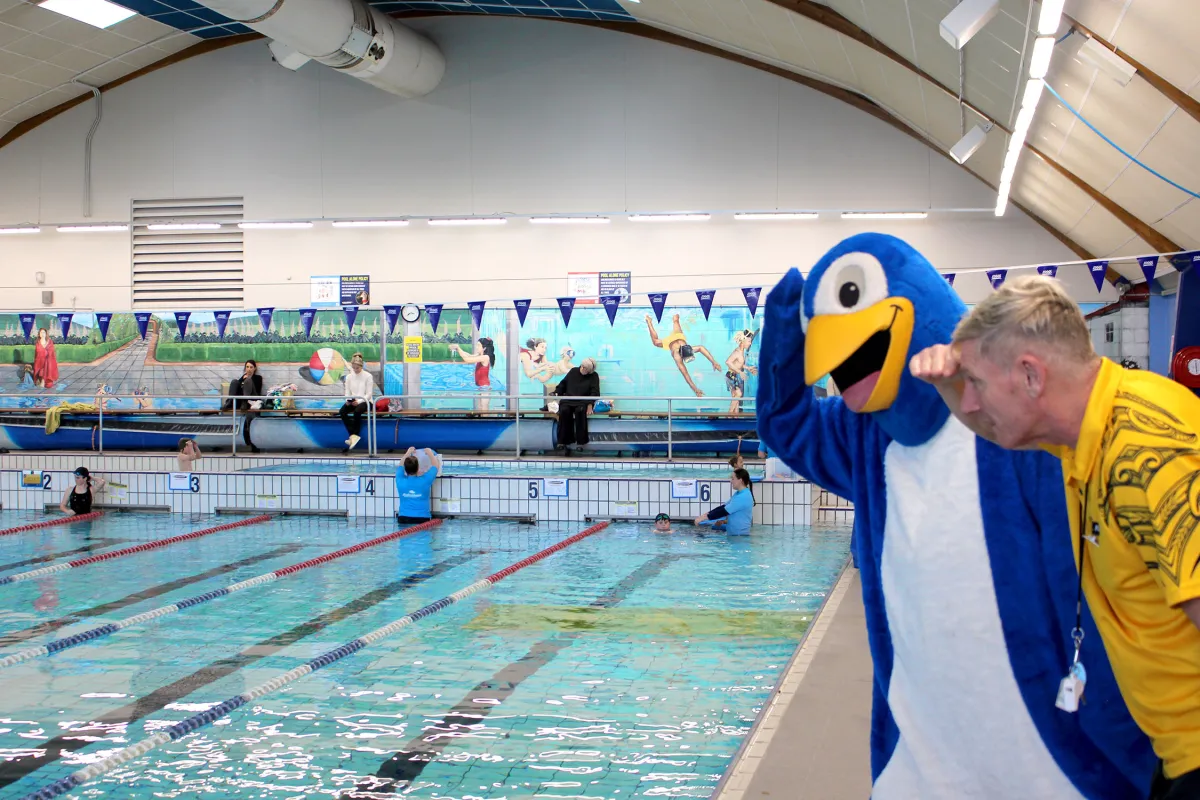 Photo: Riverside Park Pool, via www.clmnz.co.nz
The pool was packed, chaotic, and completely democratic. Lifeguards knew every regular by name, swimming lessons cost $5 for the entire summer, and the snack bar sold candy for a quarter. For three months each year, Riverside Pool was the center of childhood in small-town America.
Today, that same pool sits empty, closed permanently due to "budget constraints." The kids who once splashed there now drive twenty minutes to the Meadowbrook Country Club, where family memberships start at $2,400 annually — if you can get on the waiting list.
When America Swam Together
The golden age of public swimming stretched from the 1930s through the 1980s, when municipal pools were considered essential infrastructure, like libraries and fire departments. Cities built these aquatic centers with the same civic pride they invested in parks and schools, understanding that public recreation was a cornerstone of community life.
These weren't bare-bones facilities. Many featured Olympic-sized pools, diving boards, children's wading areas, and bathhouses designed by prominent architects. The Works Progress Administration built over 750 public pools during the Depression, treating swimming access as a public good worthy of federal investment.
By the 1960s, nearly every American city with more than 25,000 residents operated at least one public pool. Summer jobs as lifeguards and pool attendants provided employment for local teenagers, while swimming lessons introduced thousands of children to water safety and competitive swimming.
The pools served as genuine community gathering spaces. Families would spend entire summer days poolside, packing lunches and socializing with neighbors they might not encounter elsewhere. Swimming was one of the few recreational activities that truly crossed economic and social lines.
The Numbers That Made It Work
Public pools succeeded because they operated on Depression-era economics that prioritized access over profit. Most municipal pools charged minimal admission fees — typically 25 to 50 cents for children, $1 for adults — just enough to cover daily operations like chemicals and utilities.
The real costs were absorbed by city budgets that viewed recreation as a legitimate government function. Pool construction was funded through municipal bonds, and ongoing maintenance came from general revenue. Cities understood that public swimming pools, like public schools, generated community benefits that exceeded their direct costs.
Staffing was manageable because pools operated seasonally and relied heavily on local high school and college students. A typical municipal pool employed 8-12 people during summer months: lifeguards, maintenance staff, and snack bar workers. Total annual operating costs for a mid-sized pool rarely exceeded $100,000.
Most importantly, the pools were designed for heavy use rather than aesthetic appeal. Concrete construction, simple filtration systems, and minimal landscaping kept both construction and maintenance costs reasonable while accommodating hundreds of swimmers daily.
The Slow Drain of Public Investment
The decline of public pools began in the 1980s as cities faced budget pressures and shifting priorities. Maintaining aging aquatic facilities became increasingly expensive, while liability concerns made pool operations more complex and costly.
Insurance costs skyrocketed as litigation fears grew. Cities found themselves paying more for pool liability coverage than for actual operations. Many municipalities simply decided the risk wasn't worth the expense, particularly when private alternatives were emerging.
Simultaneously, the rise of homeowner associations and planned communities created private alternatives that seemed more attractive to middle-class families. Subdivision pools offered controlled environments, exclusive access, and freedom from the crowds that had once defined public swimming.
By the 1990s, many cities were actively looking for excuses to close public pools. Budget shortfalls provided convenient justification for eliminating what had become viewed as luxury services rather than essential infrastructure.
The Private Pool Revolution
As public pools disappeared, private alternatives multiplied rapidly. Country clubs, fitness centers, and homeowner associations filled the swimming void — but only for those who could afford membership fees.
The modern private pool experience offers undeniable advantages: cleaner facilities, shorter lines, and more controlled environments. Many private clubs provide amenities that public pools never offered: poolside service, adult-only areas, and year-round access through indoor facilities.
But this privatization fundamentally changed who could access swimming. Family memberships at private clubs typically cost $150-300 monthly, plus initiation fees that can reach thousands of dollars. Even community recreation centers charge $50-100 monthly for pool access — a significant expense for working-class families.
The shift from free public access to fee-based private membership created America's first two-tier swimming system. Children from affluent families now grow up with unlimited pool access, while their peers from modest backgrounds may never learn to swim properly.
What We Lost When We Stopped Swimming Together
The disappearance of public pools eliminated more than just swimming access — it removed one of America's last truly integrated recreational spaces. Public pools brought together children and families who had little other opportunity for social interaction across economic lines.
These facilities served as informal community centers where relationships formed naturally around shared activities. Parents met while supervising children, teenagers socialized across neighborhood boundaries, and elderly residents found daily social interaction through water aerobics programs.
Public pools also provided essential water safety education for children who had no other access to swimming instruction. Many competitive swimmers got their start in municipal pool programs that identified and developed talent regardless of family income.
Perhaps most importantly, public pools represented a shared investment in childhood recreation. Communities collectively decided that summer swimming was important enough to fund through tax revenue, ensuring that every child could participate regardless of family financial circumstances.
The New Economics of Getting Wet
Today's swimming landscape operates on market principles that would have been unthinkable during the public pool era. Access depends on purchasing power rather than citizenship, and facilities compete for affluent customers rather than serving entire communities.
Private pools offer superior amenities but serve limited populations. A single country club pool might accommodate 200 families comfortably, while the old municipal pool served thousands of children each summer. The math simply doesn't work for universal access.
Even public recreation centers that maintain pools often charge fees that effectively exclude lower-income families. Day passes cost $10-15, monthly memberships require $50-75, and swimming lessons command premium prices that put them out of reach for many families.
The result is a generation of American children growing up without basic water safety skills. Drowning rates have increased among minority and low-income populations, partly because swimming instruction is no longer universally accessible.
The Community We Can't Buy Back
Some cities have attempted to revive public swimming through modern aquatic centers, but these facilities operate under different assumptions than their predecessors. New public pools are designed as revenue generators rather than community services, with fee structures that mirror private facilities.
These modern public pools often feature water slides, lazy rivers, and other attractions that require higher admission prices to support. While more elaborate than traditional municipal pools, they've abandoned the principle of universal access that made public swimming truly democratic.
The few remaining old-school public pools serve as reminders of what American communities once considered important enough to provide for free. These facilities, where they still exist, remain packed with families who understand their value as rare spaces where economic status doesn't determine access.
The transition from public to private swimming represents a broader shift in how America thinks about community resources. We've gained efficiency and amenities while losing the shared experience that comes from swimming together, regardless of who can afford the membership fees.