Canvas, Rubber, and a Buck Fifty: How the Sneaker Went From Gym Floor to Cultural Currency
The Shoe That Fit Every Foot
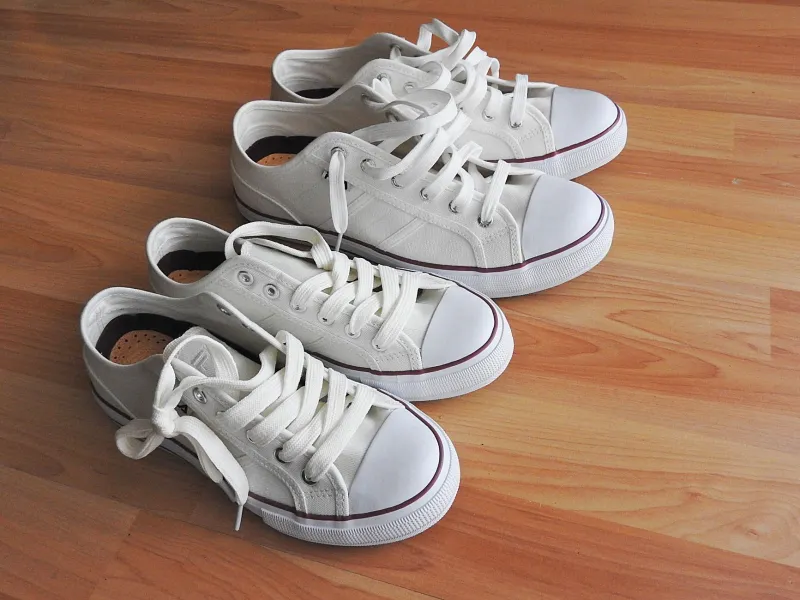
In 1957, you could walk into a Sears catalog, flip to the sporting goods section, and pick up a pair of canvas athletic shoes for somewhere around a dollar and a half. By the early 1970s, that number had climbed to maybe fifteen bucks — still well within reach of a teenager's lawn-mowing money. The shoes weren't glamorous. They were flat-soled, thin-cushioned, and came in roughly two colors: white and black. And somehow, they were worn by everyone.
Factory workers wore them on weekends. Kids wore them to gym class. Olympians wore them to the Games. The original Converse Chuck Taylor All Star — introduced in 1917 and named after a basketball player who literally traveled the country teaching clinics in them — was essentially the same shoe for six decades. No air pockets. No carbon fiber plates. No proprietary foam compounds with trademarked names. Just vulcanized rubber and cotton canvas, doing the job without any drama.
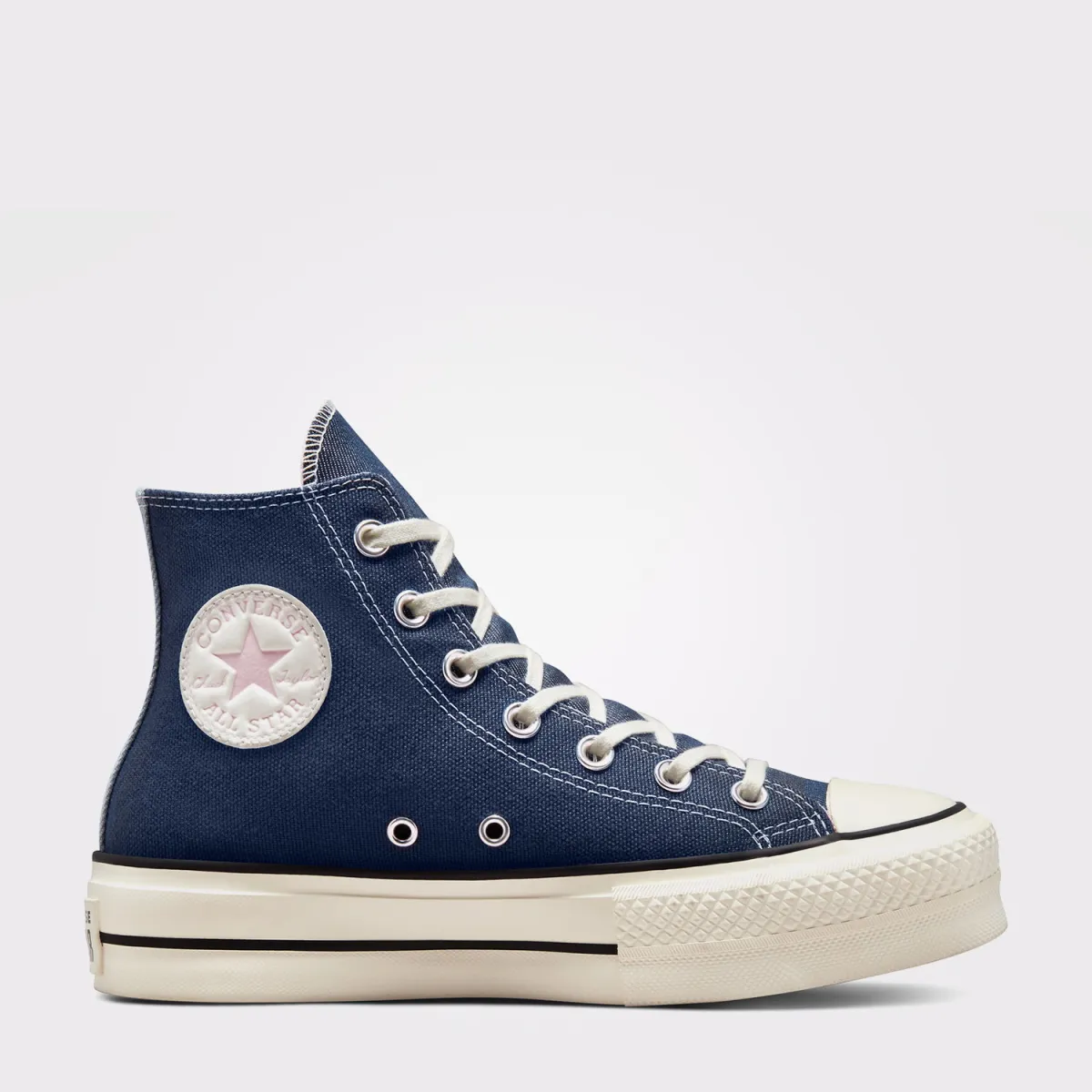 Photo: Converse Chuck Taylor All Star, via akn-converse.a-cdn.akinoncloud.com
That was kind of the point.
When Shoes Were Tools, Not Trophies
The athletic shoe's original purpose was almost aggressively practical. You needed something with grip for the gym floor. Something that wouldn't tear apart during a sprint. Something that dried out before your next practice. The engineering was modest because the goal was modest — keep the foot supported, keep the price low, keep every kid on the team in the same pair.
Keds, PF Flyers, and the Chuck Taylor dominated American schoolyards for decades not because of marketing, but because they worked and they were everywhere. There was no prestige hierarchy. The kid whose dad worked at the plant wore the same shoes as the kid whose dad wore a tie to work. Athletic footwear was one of the few genuinely level playing fields in American consumer culture.
Even through the early running boom of the 1970s, the conversation stayed relatively grounded. Nike and Adidas were entering the scene, waffle soles were causing genuine excitement, and cushioning technology was starting to advance — but a solid pair of running shoes still cost somewhere between $25 and $40. Serious, but not absurd.
Then something shifted.
The Moment a Shoe Became a Statement
The pivot point most historians point to is 1985: the launch of the Air Jordan 1. Nike signed a 21-year-old Michael Jordan to an endorsement deal, released a shoe that the NBA initially banned for violating uniform rules, and built an entire marketing campaign around that controversy. The shoes retailed for $65 — more than twice what most athletic shoes cost at the time. They sold out almost immediately.
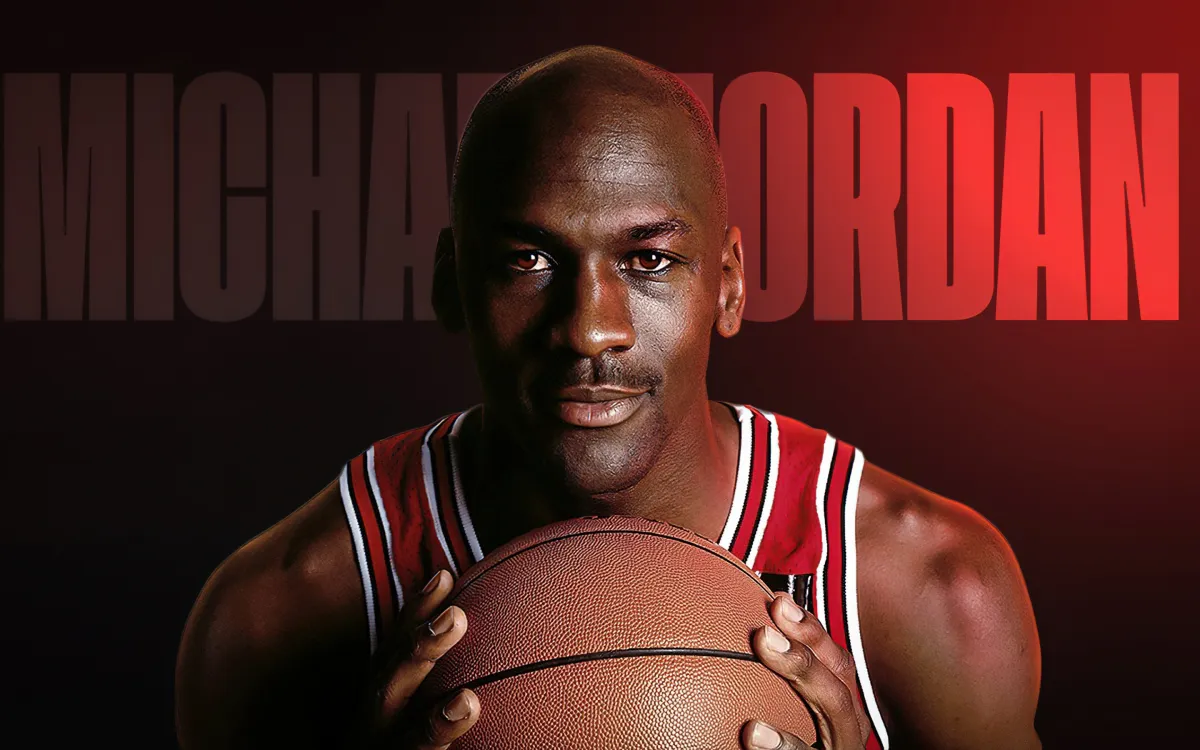 Photo: Michael Jordan, via 4kwallpapers.com
What Nike understood — and what the industry never forgot — was that people weren't just buying performance. They were buying identity. The shoe became a proxy for personality, aspiration, and cultural belonging. Once that door opened, it never closed.
By the 1990s, the sneaker had fully crossed over from sports equipment into fashion territory. Rappers were wearing them on stage. Designers were collaborating on limited editions. Resale markets were forming in parking lots outside shoe stores. Kids were getting robbed for their Air Jordans — a genuinely tragic development that underlined just how much the cultural calculus had changed.
What a Modern Sneaker Actually Is
Today's performance footwear is, in fairness, a genuinely remarkable piece of engineering. The Nike Alphafly and Adidas Adizero lines — designed for elite marathon runners — use carbon fiber plates embedded in proprietary foam compounds to return energy with each stride. Independent research suggests these shoes improve running economy by several percentage points, which at elite levels translates to minutes off marathon times. The science is real.
But science isn't really why most people are spending $200 on sneakers.
The resale market tells the more honest story. A pair of limited-edition Jordans or Yeezys might retail for $220 and flip on StockX — a dedicated sneaker resale platform — for $600 the same afternoon. Some rare collaborations sell for thousands. There are people who treat sneaker collecting the way their parents treated baseball cards, except the stakes are considerably higher and the storage requirements more demanding.
AI is now involved in design. Apps drop exclusive releases the way concert tickets drop — with queues, bots, and lottery systems. Entire YouTube channels are dedicated to sneaker authentication. The shoe has become one of America's most elaborate consumer rituals.
What We Actually Lost
None of this is to say that innovation is bad or that people shouldn't spend their money on things they love. But there's something worth pausing on when you consider what the sneaker used to represent.
It was the rare consumer product that genuinely didn't sort people by income. The gym class in 1965 had rich kids and poor kids, and they all wore the same flat canvas shoes. There was no visible economic hierarchy on the basketball court. The game was the thing, not the gear.
Today, the brand of shoe a kid wears to school can signal exactly where their family sits on the economic ladder — and kids know it. The $15 sneaker that ran America wasn't just affordable. It was, in a small but meaningful way, equalizing.
Somewhere between the Chuck Taylor and the carbon plate, the shoe stopped being a tool and started being a test. And a lot of kids are failing it before they even lace up.