The $2 Haircut That Came With Free Therapy — Before Barbers Became Lifestyle Brands
The Shop That Never Closed Its Doors
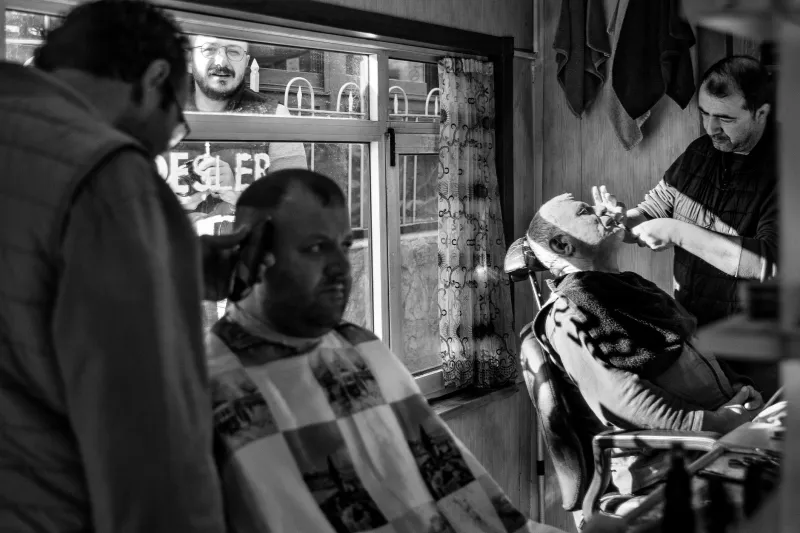
Walk into Tony's Barbershop on Elm Street in 1972, and you'd find three things guaranteed: a haircut for two dollars, yesterday's newspaper folded on the counter, and at least one customer who wasn't getting his hair cut but couldn't seem to leave.
 Photo: Tony's Barbershop, via forum-cfx-re.akamaized.net
 Photo: Elm Street, via prnfap.com
Tony DiMarco had been cutting hair in the same spot for twenty-three years. The red, white, and blue pole outside spun lazily in the afternoon sun, and the screen door squeaked the same way it had since Eisenhower was president. Inside, conversation flowed as freely as the hair tonic, and nobody worried about booking appointments or checking Yelp reviews.
That barbershop represented something that's become nearly extinct in American culture: a place where men could gather, talk, and belong without spending a week's grocery money or scheduling three weeks in advance.
The Original Social Network
The traditional American barbershop served as the neighborhood's unofficial information hub. While Tony worked his scissors, customers debated everything from local politics to baseball trades to whether young Jimmy down the street would make something of himself. The barber knew everyone's name, their kids' names, and usually had an opinion about whatever problem you brought through the door.
This wasn't just small talk — it was community building. The barbershop connected generations, with grandfathers bringing grandsons for their first haircuts and teenagers getting life advice along with their trim. Regular customers became friends, and friends became extended family. The two-dollar haircut came with something money couldn't buy: genuine human connection.
Barbers like Tony understood their role extended far beyond grooming. They were confidants, counselors, and community anchors. A man could walk in feeling overwhelmed by work troubles or family stress and leave not just looking better, but feeling heard and understood.
When Simple Was Sufficient
The old barbershop operated on beautifully simple principles. You sat down, told the barber what you wanted, and trusted his judgment. The conversation was part of the service, not an interruption to it. The tools were basic but effective: scissors, clippers, a straight razor for the brave, and enough hair tonic to make everyone smell like their grandfather.
Most importantly, the barbershop was democratic. The factory worker sat in the same chair as the bank president, paid the same price, and received the same quality of attention. There were no VIP packages, premium services, or membership tiers. Everyone was a regular, or would become one.
The financial accessibility mattered enormously. At two dollars for a haircut, even families stretching every penny could afford to look presentable. A monthly trim represented less than an hour's wages for most working men. The barbershop wasn't a luxury — it was a necessity that everyone could access.
The Transformation Into Experience Economy
Today's barbershop — or more accurately, "grooming lounge" — operates according to entirely different rules. The modern establishment features carefully curated vintage décor, craft beer on tap, and booking systems that would challenge a restaurant reservation platform. What used to cost two dollars now starts at sixty, and the premium packages can easily hit triple digits.
The contemporary barber has transformed from neighborhood fixture to personal brand. They maintain Instagram accounts showcasing their latest cuts, offer specialized services like beard sculpting and hot towel treatments, and often require advance booking that stretches weeks into the future. The simple haircut has become a lifestyle experience.
This evolution reflects broader changes in how Americans think about personal services. Everything from coffee to hamburgers has been elevated into artisanal experiences, and barbering followed the same trajectory. The craftsman approach brings real skill improvements, but it's also priced out the customers who most needed the old barbershop's accessibility.
The Economics of Exclusion
The financial transformation tells a stark story. In 1972, Tony's two-dollar haircut represented about 1.5% of the federal minimum wage worker's daily earnings. Today's sixty-dollar cut represents nearly eight hours of minimum wage work. The neighborhood barbershop that once served everyone has become a premium service that many can't afford.
This pricing shift reflects real economic pressures. Modern barbershops face higher rent, increased regulatory requirements, and competition from chain salons. The artisanal approach requires more time per customer, limiting daily capacity. But the result is that regular haircuts have moved from universal accessibility to discretionary spending.
The old barbershop's business model depended on volume and regularity. Tony could afford to charge two dollars because he had steady customers who came in every three weeks like clockwork. Today's model depends on fewer customers paying much higher prices for more elaborate services.
What Disappeared With the Conversation
The most significant loss isn't financial — it's social. The traditional barbershop provided something that modern American men often struggle to find: a space for unguarded conversation with other men across generational and class lines.
In Tony's shop, the bank president and the bus driver might find themselves debating the local election while waiting their turn. The retired machinist could offer career advice to the young father starting his first job. These interactions happened naturally, without the artificial networking feel of professional gatherings or the competitive atmosphere of sports bars.
The modern barbershop, with its appointment-only system and premium pricing, has inadvertently eliminated this cross-pollination. Customers arrive on schedule, receive their service, and leave. The waiting area conversation that built community bonds has been optimized away in favor of efficiency.
The Appointment Culture Revolution
The shift from walk-in availability to appointment-only booking represents a fundamental change in how Americans access services. The old barbershop accommodated spontaneity — you could decide on a Tuesday morning that you needed a haircut and have one by lunch.
Today's system requires planning, scheduling, and often rescheduling. The convenience has shifted from the customer to the service provider. This change makes business sense from an operational standpoint, but it's eliminated the impulse visit that often led to the best conversations.
The appointment system also creates artificial scarcity. When Tony's shop was always open and rarely full, getting a haircut felt effortless. When today's popular barber is booked three weeks out, the same service feels exclusive and stressful.
The Streaming Service of Human Connection
Perhaps the most telling change is how the modern barbershop has attempted to recreate the old shop's atmosphere as a designed experience rather than an organic community space. The vintage chairs, old-school music, and carefully curated décor are meant to evoke nostalgia for the very thing that's been lost: authentic, unpretentious human connection.
It's the difference between a neighborhood gathering place that happened to cut hair and a hair-cutting business that's trying to simulate a neighborhood gathering place. The former grew from community needs; the latter is marketed to lifestyle aspirations.
The Two-Dollar Lesson
Tony DiMarco's barbershop wasn't perfect. The conversation could be narrow, the advice sometimes outdated, and the service occasionally reflected the biases of its time. But it provided something that sixty-dollar cuts and Instagram-worthy décor can't replicate: a place where ordinary people could afford to gather, talk, and belong.
The transformation from barbershop to grooming lounge mirrors broader changes in American society — the shift from accessibility to exclusivity, from community spaces to lifestyle brands, from simple human connection to curated experiences. We've gained artisanal quality and lost democratic access.
Somewhere between Tony's two-dollar haircut and today's appointment-only experience, we forgot that the best conversations happen not because they're scheduled, but because they're welcome. The old barbershop knew that the haircut was just an excuse — the real service was the half-hour of human connection that came with it.