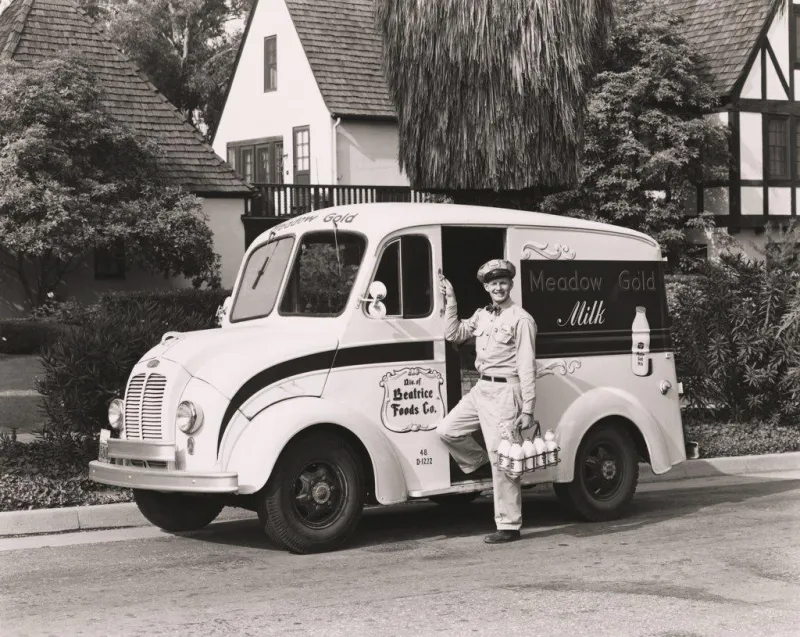
When Getting Hired Meant Looking Someone in the Eye — Not Surviving Algorithm Hell

The Walk-In Wednesday That Changed Everything
Jim Patterson walked into the Westinghouse plant in Pittsburgh on a Tuesday morning in 1967. He'd heard they were hiring, so he put on his best shirt, shined his shoes, and drove over after breakfast. By lunch, he had a job that would support his family for the next thirty years.
 Photo: Westinghouse plant, via png.pngtree.com
 Photo: Jim Patterson, via blogs.plombiers-reunis.com
No résumé. No cover letter. No LinkedIn profile optimization or applicant tracking system. Just a ten-minute conversation with the floor supervisor who asked him about his military service, whether he could lift fifty pounds, and if he minded working nights. They shook hands, and Jim started Monday.
That world is gone.
When Humans Hired Humans
The postwar job market operated on fundamentally different principles. Employers needed workers, workers needed jobs, and the process of connecting them was refreshingly direct. Factory foremen made hiring decisions based on gut instinct and basic qualifications. Office managers brought candidates straight to the boss. Small business owners hired people they met at church or through neighborhood connections.
The entire process hinged on personal judgment. Could this person do the work? Did they seem reliable? Would they fit with the crew? These questions got answered face-to-face, usually within an hour of walking through the door.
Companies posted "Help Wanted" signs in windows and ran simple classified ads: "Machinist needed. Good pay. Apply in person." No degree requirements for jobs that didn't need degrees. No personality tests for positions that required personality. No background checks for roles that involved basic trust.
The Algorithm Takes Over
Today's hiring process resembles nothing so much as a digital obstacle course designed to eliminate candidates rather than find them. The average corporate job posting receives 250 applications. Of those, maybe six people get interviews. One gets hired.
But here's the twist: most of those 244 rejected candidates never get seen by human eyes. Applicant tracking systems scan résumés for keywords, automatically discarding anyone who doesn't match the algorithm's preferences. The software looks for exact phrase matches, specific formatting, and predetermined qualifications that may have little to do with actual job performance.
A machinist position that once required "experience with metal working" now demands "proficiency in CAD software, ISO 9001 quality standards, lean manufacturing principles, and continuous improvement methodologies." The job hasn't changed much. The job description has become a doctoral thesis.
The New Hiring Industrial Complex
What used to be a conversation has become an industry. Professional résumé writers charge hundreds of dollars to format documents that might never be read by humans. LinkedIn coaches teach job seekers how to optimize their profiles for search algorithms. Interview preparation has spawned its own cottage industry of consultants and online courses.
The modern job search requires skills that have nothing to do with work: gaming search algorithms, crafting personal brands, navigating video interview platforms, and enduring multiple rounds of assessments that measure everything except whether you can actually do the job.
Candidate experience has become a corporate buzzword, but the actual experience involves uploading the same information to dozens of different portals, answering the same questions repeatedly, and waiting weeks for automated rejection emails that provide no useful feedback.
What We Lost in Translation
The old hiring process wasn't perfect. It could be exclusionary in ways that today's structured approaches attempt to address. But it preserved something valuable: the human element of work.
When Jim Patterson got hired at Westinghouse, the supervisor could see that he showed up early, spoke clearly, and looked him in the eye when they shook hands. Those qualities mattered for the job he'd actually be doing. Today's screening process might have eliminated Jim for not having the right keywords in his résumé or for not knowing how to navigate the online application portal.
The personal touch extended beyond hiring. New employees learned from coworkers who'd been there for years. Training happened on the job, with real work, under the guidance of people who understood both the technical requirements and the company culture. The relationship between worker and workplace began with a handshake and continued with daily human interaction.
The Economics of Trust
The old system worked partly because the economic relationship between employers and employees was more stable. Companies expected to train workers and keep them for decades. Workers expected to stay and grow with the organization. This mutual investment justified the simpler, more personal hiring approach.
Today's job market operates on different assumptions. Workers change jobs frequently, companies restructure regularly, and the relationship feels more transactional. The elaborate screening process reflects this reality: everyone's trying to minimize risk in an inherently unstable system.
But the irony is striking. We've created a hiring process that's simultaneously more complex and less effective at predicting job performance than the old-fashioned conversation over coffee.
The Human Cost of Digital Efficiency
The transformation from handshake hiring to algorithm screening represents more than just technological progress. It reflects a fundamental shift in how we think about work, trust, and human potential.
Jim Patterson's generation entered the workforce with confidence that showing up and working hard would be enough. Today's job seekers face a different reality: even getting the opportunity to prove themselves requires navigating systems designed to say no.
The efficiency gains are real — modern hiring processes can handle thousands of applications that would have overwhelmed a 1960s personnel department. But efficiency and effectiveness aren't the same thing. We've optimized for processing applications, not for finding great employees.
The handshake hire wasn't just about simplicity. It was about seeing potential in people, making quick decisions based on human judgment, and trusting that good people would figure out how to do good work. Those qualities haven't become obsolete — they've just gotten buried under layers of digital process that prioritize risk management over opportunity recognition.
Somewhere between the handshake and the algorithm, we forgot that the best hiring decisions often come from looking someone in the eye and asking: "Can you do this job?" The answer used to be enough.